
Everyone knows the Rottnest Island quokka. It is the one posing for selfies with tourists, grinning its way around the world’s social media feeds.
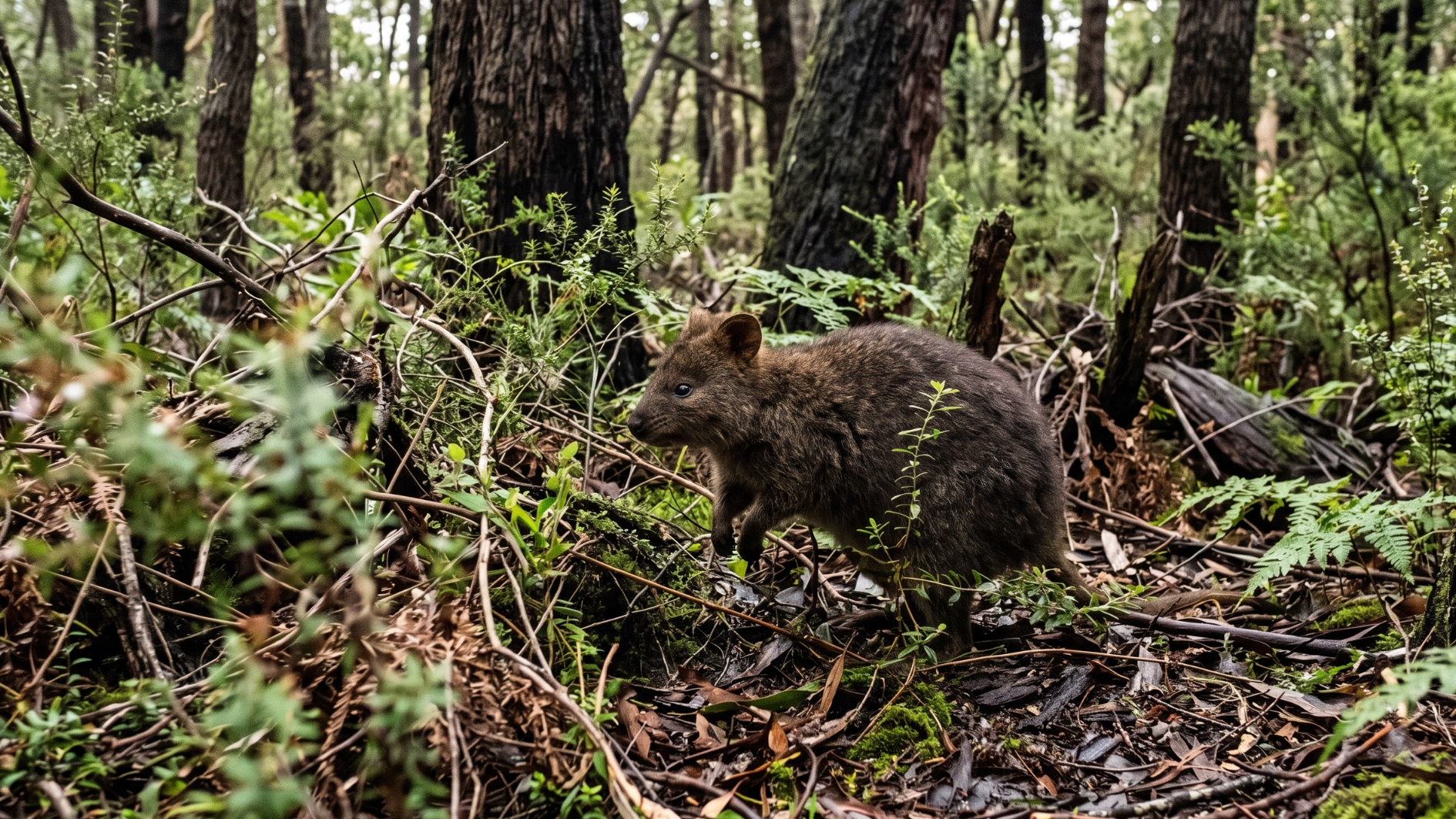
What most people do not know is that quokkas also survive on the mainland, scattered through the forests of Southwest WA.
You are extremely unlikely to see one. Mainland quokkas keep to dense vegetation and are mostly active around dusk and through the night. That is part of why the island population became famous while this one remained largely unknown.
Where mainland quokkas actually live
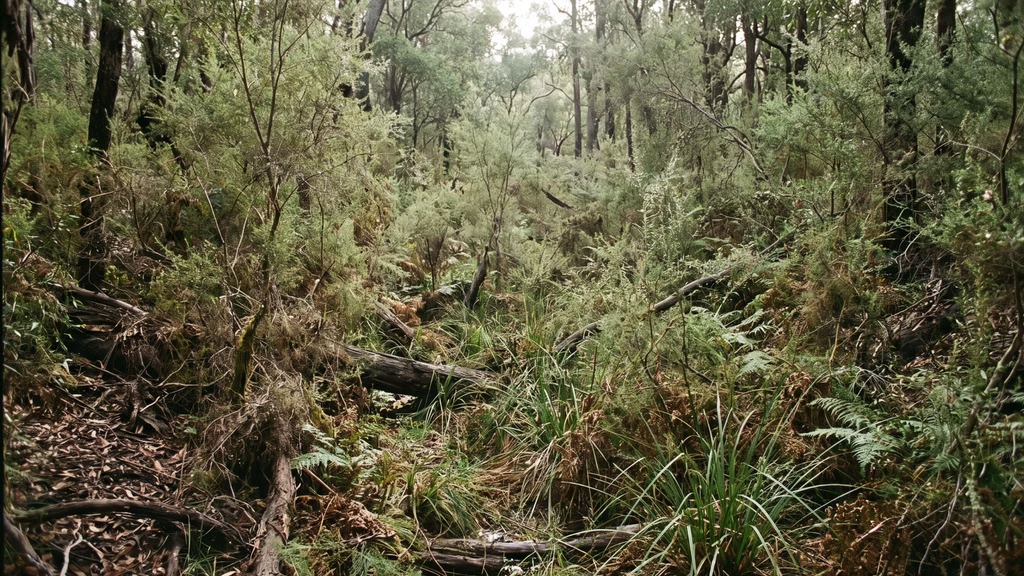
Mainland quokkas need thick, tangled understorey. This low, dense vegetation gives them somewhere to hide during the day and forage after dark.
They are typically found close to creeklines and swamps, in parts of the Southwest where there is enough shelter and moisture.
One of the most substantial mainland populations is in the southern forests around Northcliffe, within the same jarrah, marri and karri country that runs through much of this part of WA.
If you want to understand more about how this forest works as a system, our jarrah forest ecosystem guide goes into it in more detail.
Take away that understorey, or cut the forest into smaller disconnected patches, and mainland quokkas lose much of the shelter and habitat they depend on.
Unlike their island relatives, they cannot simply move somewhere else. There is often nowhere else close enough to go.
Why life is harder for mainland quokkas
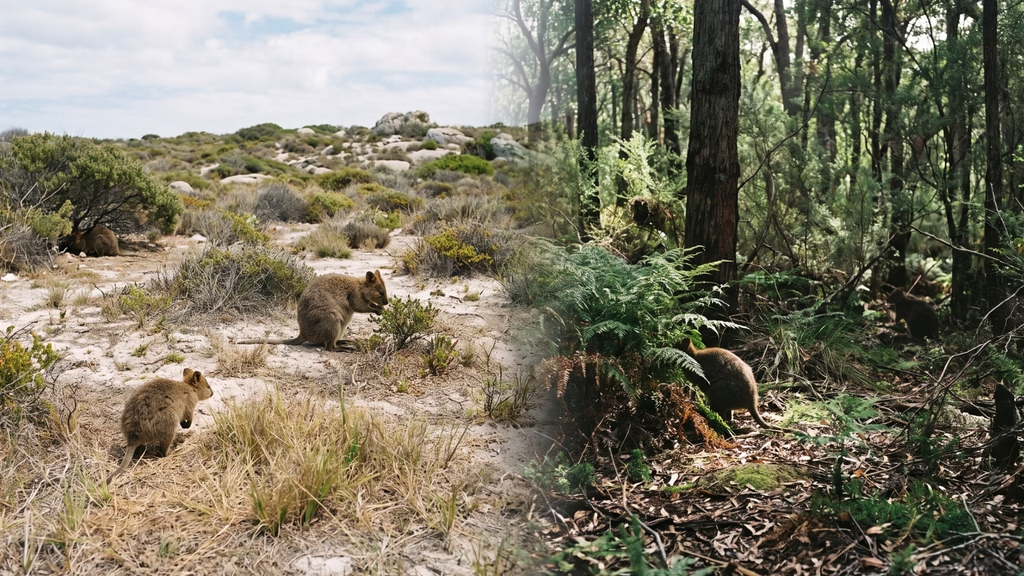
Rottnest Island has one enormous advantage the mainland does not: no foxes and no feral cats.
When the European red fox spread through the southwest in the 1930s, it hit native ground-dwelling mammals hard. Mainland quokkas have been living with that pressure ever since, alongside feral cats.
Fire is another major threat.
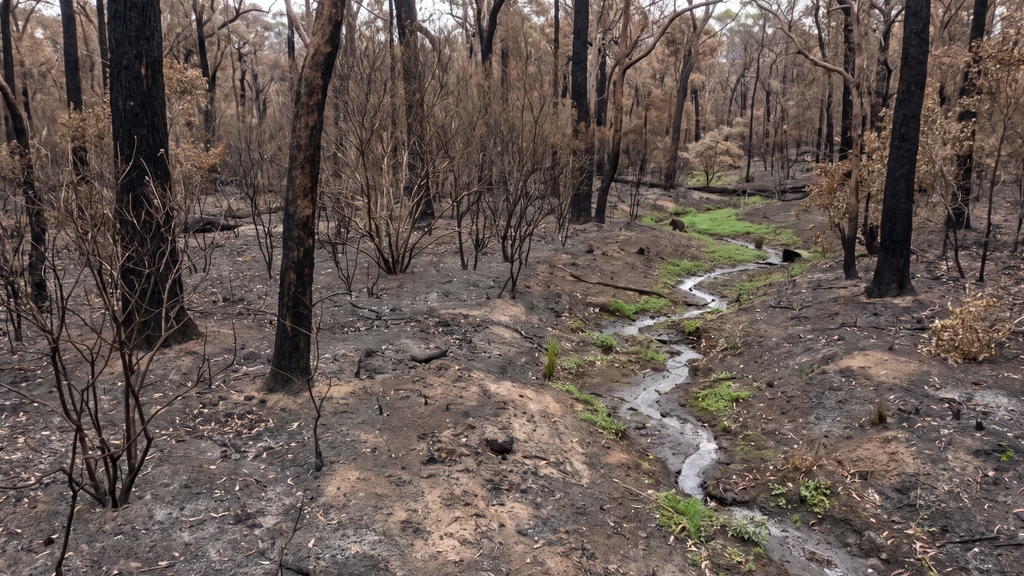
It is not simply fire itself that creates the problem. A severe fire can remove the dense vegetation a quokka relies on for shelter.
In 2015, a bushfire near Northcliffe burned around 98,000 hectares, the largest fire WA had seen since 1960. The fire affected a significant part of the mainland quokka’s stronghold.
Conservation groups spent months afterwards searching the burnt country for survivors. Some were found, but the event showed how exposed an isolated population can become when its habitat disappears in a single event.
Habitat fragmentation adds another problem.
Land clearing can shrink and separate the pockets of forest quokkas rely on, leaving populations isolated from one another. A drying and less predictable rainfall pattern across the Southwest also affects the dense, moisture-holding vegetation they need.
None of these pressures act alone. They compound each other.
| Pressure | What it does to the population |
| Foxes and feral cats | Direct predation, particularly where cover is thin |
| Fire | Can remove habitat and dense shelter in a single event |
| Habitat fragmentation | Separates populations and limits movement |
| Changing rainfall | Can reduce the dense vegetation quokkas depend on |
Forest health plays into this too.
Phytophthora dieback is one of the biggest threats facing jarrah forest generally. It can affect the understorey vegetation that quokkas rely on for cover.
A forest weakened by dieback has less suitable habitat for an animal that already has very little room to move.
Why the forest itself is what matters
None of these threats are really about quokkas in isolation.
They are about the forest around them.
A mainland quokka needs dense, connected and healthy habitat to survive. When that habitat is fragmented or degraded, the animal loses more than somewhere to hide. It loses places to feed, move and shelter.
That is why protecting mainland quokkas also means protecting the forest they depend on.
Where Living Conservation Forest at Wellington Dam fits in
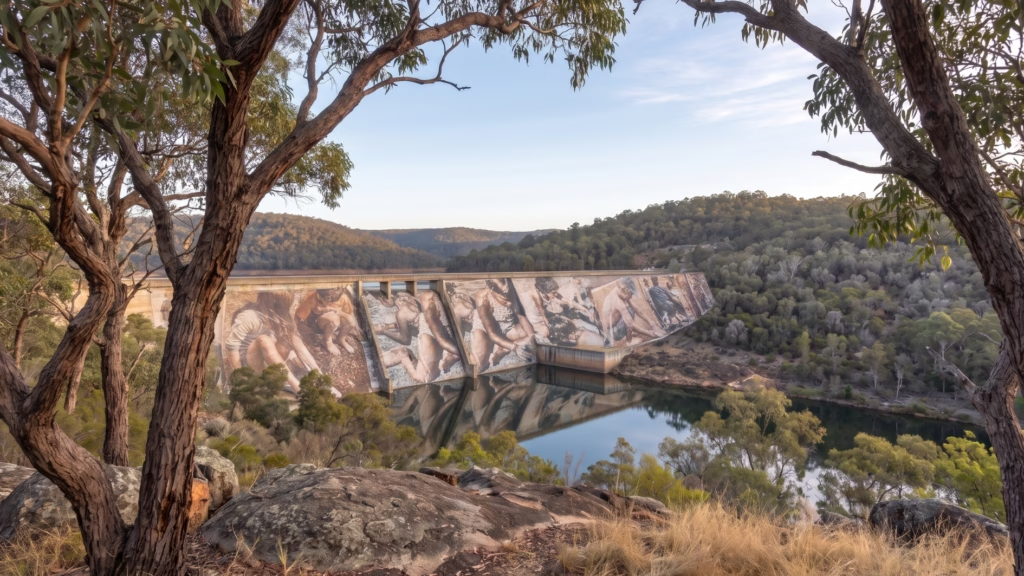
Wellington Dam sits within that jarrah forest landscape.
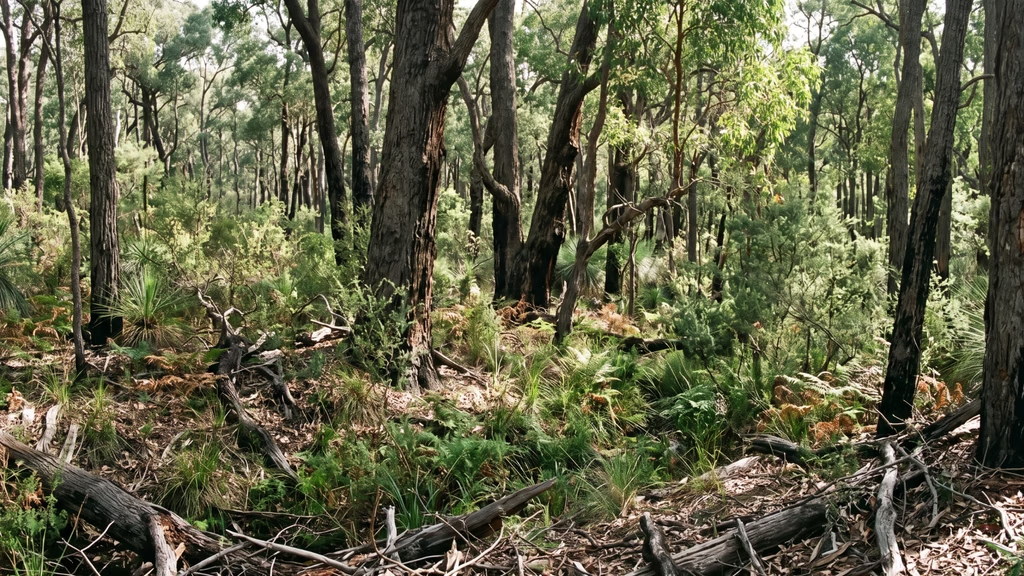
The native forest here provides habitat for wildlife including quokkas and black cockatoos, while the conservation covenant protects the land as a long-term conservation forest.
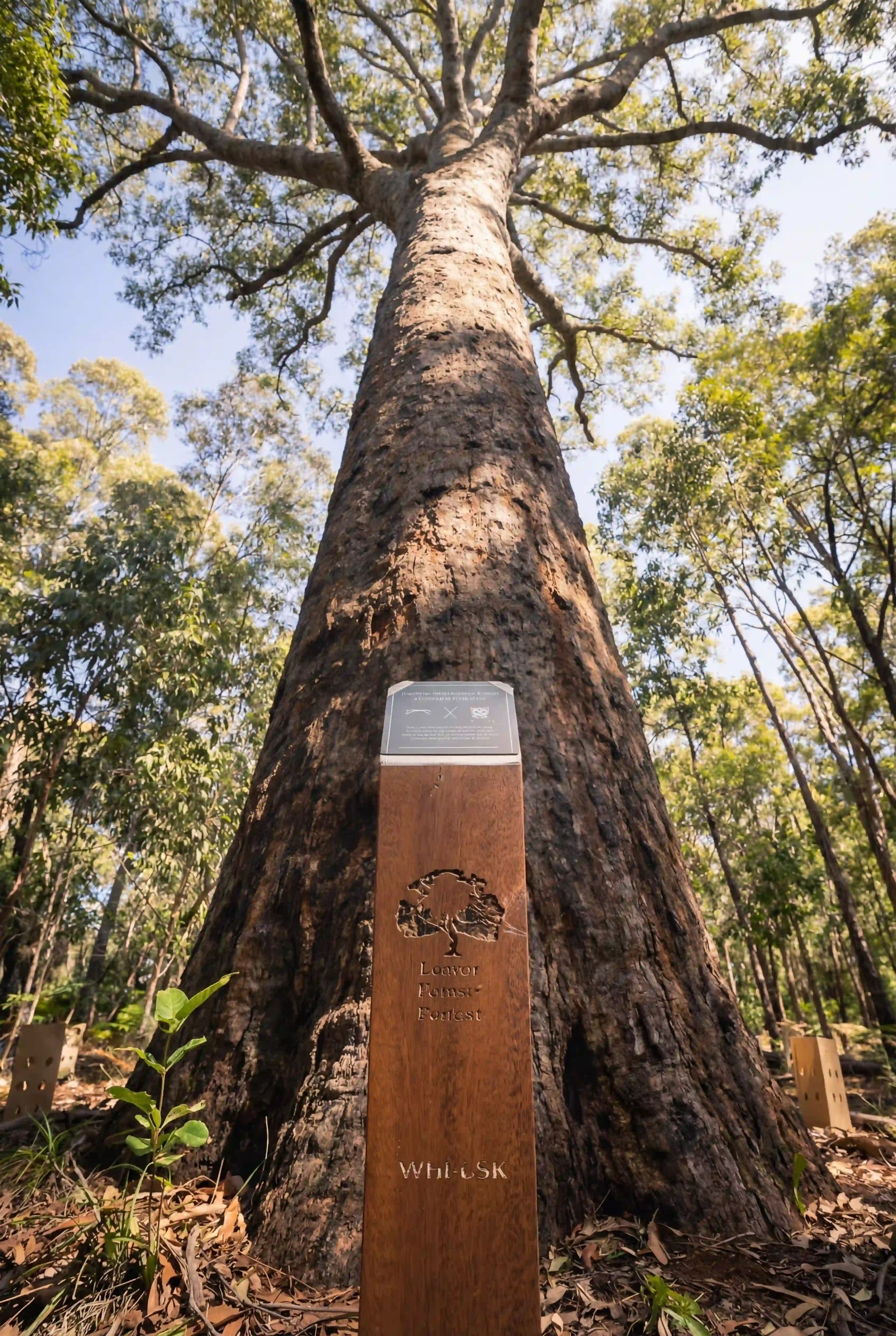
A memorial tree is not a quokka recovery program. The connection is simpler than that.
The trees and understorey planted here become part of a protected native forest landscape. Every ceremony includes three understorey shrubs planted alongside the memorial tree, adding to the vegetation that wildlife can use for shelter and habitat.
It is one small part of maintaining that landscape over the long term.
If you would like to see the forest for yourself, including the understorey and the memorial tree options planted within it, you are welcome to book a tour and walk through it in person.
| Book a free tour of Wellington Dam Living Legacy ForestWalk a protected jarrah forest in quokka habitat in Southwest WA. No obligation.[ Book a tour — livinglegacywellingtondam.org.au ]Or call 0427 096 944 |