
Maybe someone in your family has just been given a terminal diagnosis. Maybe you are further along than that, and the days are starting to blur together. Somewhere in the middle of appointments, medication and trying to hold everything together, you have heard the term “end of life doula” and wondered if that is something your family needs.
Here is what the role actually involves, and how it fits with the care you already have.
What is an end of life doula
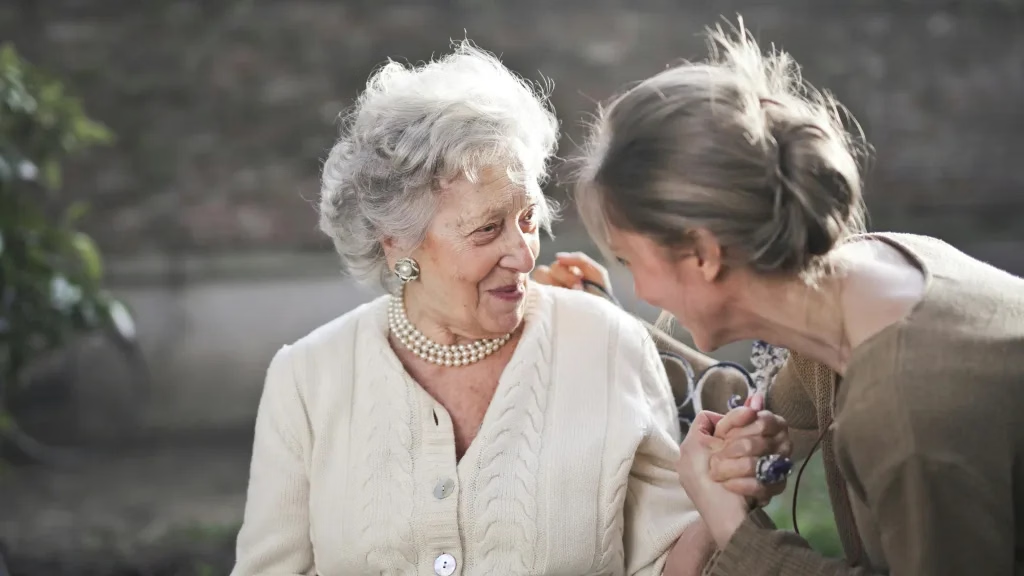
An end of life doula is a non-medical, non-clinical support person who works with someone approaching the end of their life, and with the people around them, from wherever they are in the journey through to whatever comes after.
The word “doula” comes from the Ancient Greek for a female servant, though today it is understood more broadly as a person of service. It is not a new idea. People, mostly women, have played this role throughout human history.
What has changed is that it is now emerging as a distinct profession, in response to a gap that is well documented in end of life research.
Sociologist and Compassionate Communities founder Allan Kellehear coined what is known as the 95% rule. Seriously ill and dying people spend little more than 5% of their final year of life in the direct care of health services.
The other 95% relies on family, friends and other people without a clinical background. An end of life doula works inside that 95%, alongside whatever clinical care is already in place, not instead of it.
This is easiest to explain through real situations, because a doula’s support is shaped around what a particular family needs, not a fixed script.
Why is this support needed?
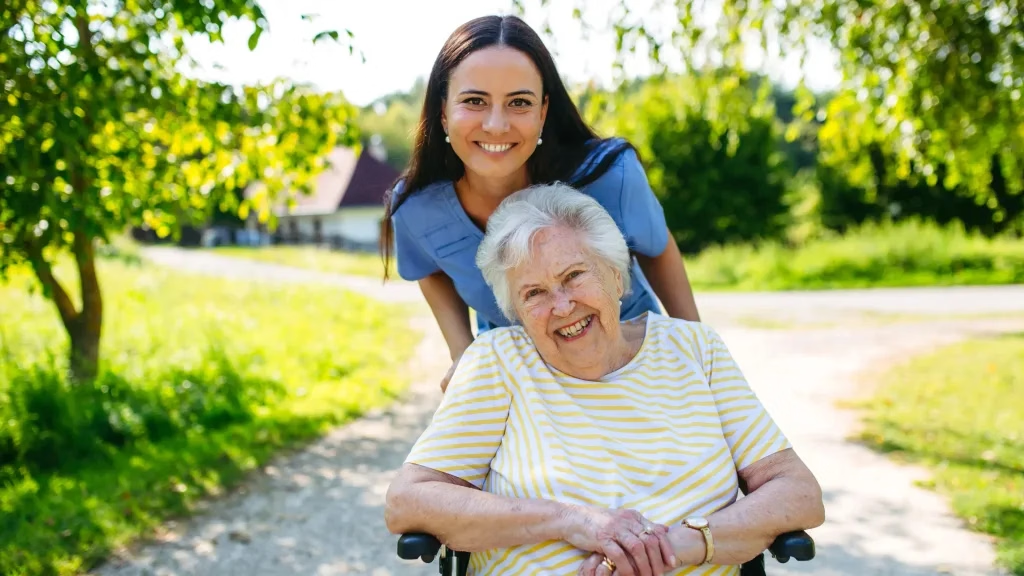
Leonie Hall, an end of life doula who previously worked as an enrolled nurse, saw this gap from inside the healthcare system.
During her early nursing career, she noticed how much clinical teams had to manage. Nurses were dealing with medication, doctors’ rounds and other responsibilities, while patients and families were also trying to understand and process what was happening to them.
For Leonie, it highlighted the value of having someone who could simply slow things down.
Someone with time to listen. Someone who could help a person make sense of what had happened and think about what might come next.
That experience shaped the way she understands the role of an end of life doula today.
It is not about replacing clinical care. It is about being there for the parts of the experience that clinical care cannot always cover.
Physical support
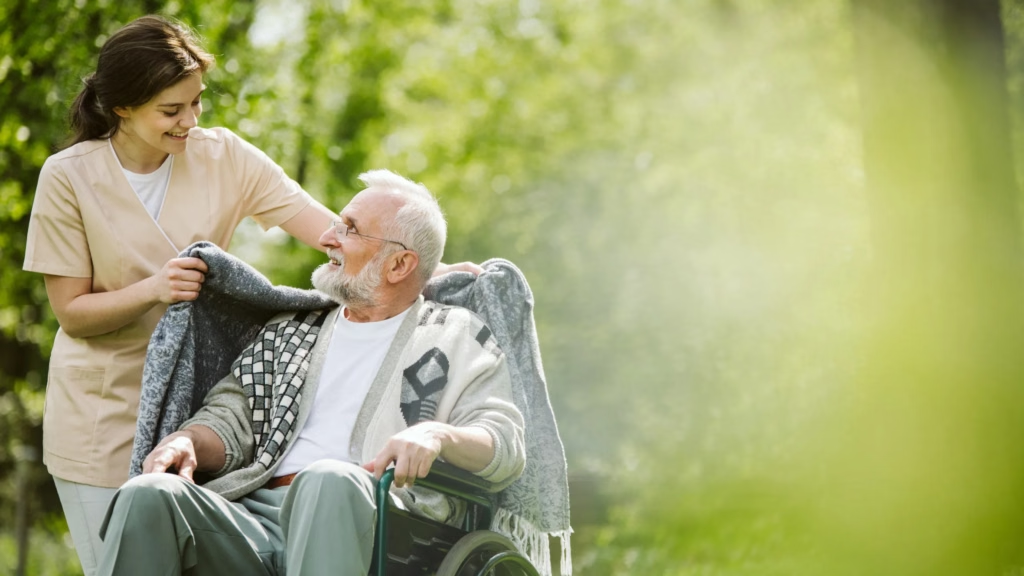
This might mean helping make a home safer or more comfortable for someone who is unwell, getting them outside into a garden or onto a favourite walking track while they still can, or helping manage pain and comfort day to day alongside the clinical team.
Practical support
A doula can sit in on medical appointments to take notes so a family does not have to rely on memory afterwards, help track the paperwork that piles up around a serious illness, or connect a family with services they did not know existed.
Emotional support
Say a diagnosis has just landed and the person who is unwell wants to talk about their fear, but does not want to say it out loud in front of their partner. A doula can sit with them for that conversation, so nobody in the family has to carry it alone. This can also include legacy work, such as helping someone record memories or messages for the people they will leave behind.
Spiritual support
Not every family is religious, but many want help thinking through a vigil, a ceremony, or simply what it means to hold space for someone as they die. A doula can also help connect a family to faith-based support if that matters to them.
It is just as important to be clear about what a doula does not do. They do not diagnose. They do not administer medication. They do not recommend starting or stopping any medication or treatment. And rather than giving advice, a good doula lays out options and helps a family think them through, so the decision stays theirs.
When families bring in a doula
There is no single right moment, and support is not limited to someone’s final days. A widely used model, developed by the training organisation Natural Grace, maps the end of life journey across ten stages, from living well and receiving a diagnosis, through living with a life-limiting illness and palliative care, to active dying, death, after-death care, vigil and ceremony, funeral or memorial, and grief and bereavement. A doula can be engaged at any of these points.
If you are also looking at the wider range of end of life care options in Perth, our guide explains what is available and how different types of support fit together.
Some doulas continue supporting a family well after a death, through the funeral and the grief that follows. Earlier contact generally means more time to build trust before things become urgent.
What makes the role different
A few qualities set a doula apart from other people involved in someone’s care.
They are often the one constant across a period where hospital shifts, wards and specialists change constantly. And unlike a rostered nurse, you get to choose who you work with, rather than being allocated whoever is on shift that day. That matters when so much else feels out of your control.
Doulas also work flexibly around what a family needs on a given day, rather than fitting families into a fixed appointment model. A doula might help a family prepare questions for a palliative care appointment, or pick up a conversation once that appointment has ended and there is more time to talk it through.
If your family also wants to formally document care preferences, Advance Care Planning Australia has free resources and a national advisory line for that, separate from any doula support.
If you are starting to think about what you would like to happen after someone dies, our guide to types of memorial ceremonies in Australia explains some of the options families choose.
Finding a doula, and what training looks like
There is no single national register for the profession yet, but the End of Life Doula Directory lists doulas by location across Australia, and your palliative care team may also know of doulas working locally.
Training varies. Some doulas come from a nursing or aged care background. Others complete formal courses, including a nationally accredited Certificate IV in End of Life Doula Services offered through providers such as Preparing the Way.
A qualification is not a legal requirement to work as a doula in Australia, so it is worth asking directly about someone’s training and experience before you engage them.
Frequently asked questions
How much does an end of life doula cost?
Fees vary between doulas, and by how much support a family needs. Some charge by the hour, others offer packages. Ask for a clear breakdown before you commit, and check whether things like overnight support are priced differently to a single conversation.
How do I find an end of life doula near me?
Start with the End of Life Doula Directory, or ask your palliative care team if they know doulas working in your area. Many doulas also offer remote support by phone or video for parts of their work.
Do I need a doula if I already have palliative care?
Yes, if you want the kind of time and continuity palliative care services are often stretched too thin to provide. The two roles do different jobs and are designed to work together, not in competition.
What should I ask before choosing a doula?
Ask about their training and experience, exactly what is included in their support, how they work with your existing medical team, their fees, and whether they carry insurance.
Can a family engage a doula before there is a diagnosis?
Yes. Some people bring in a doula simply to plan ahead, well before any illness, as part of thinking through what they would want at the end of their life.