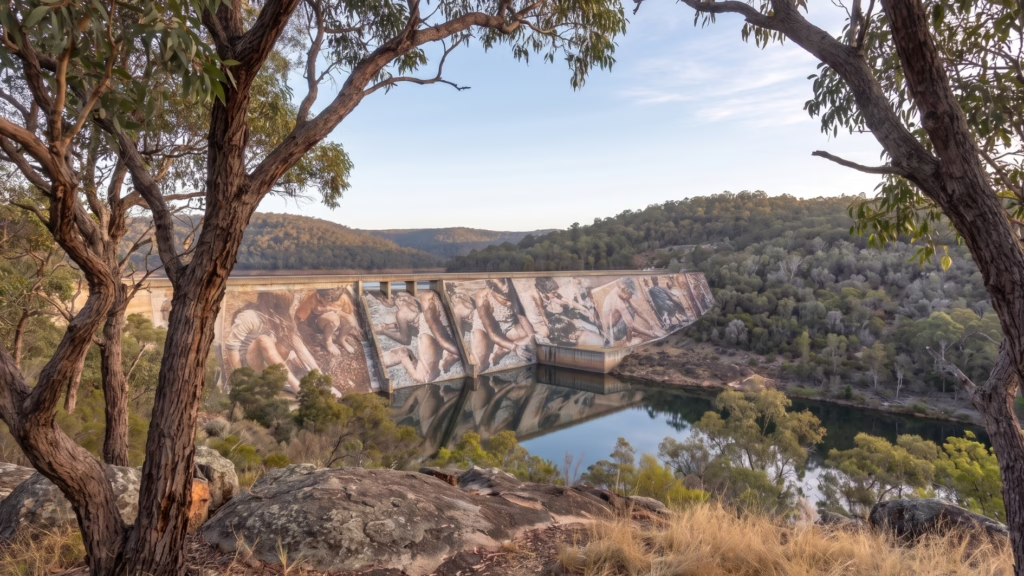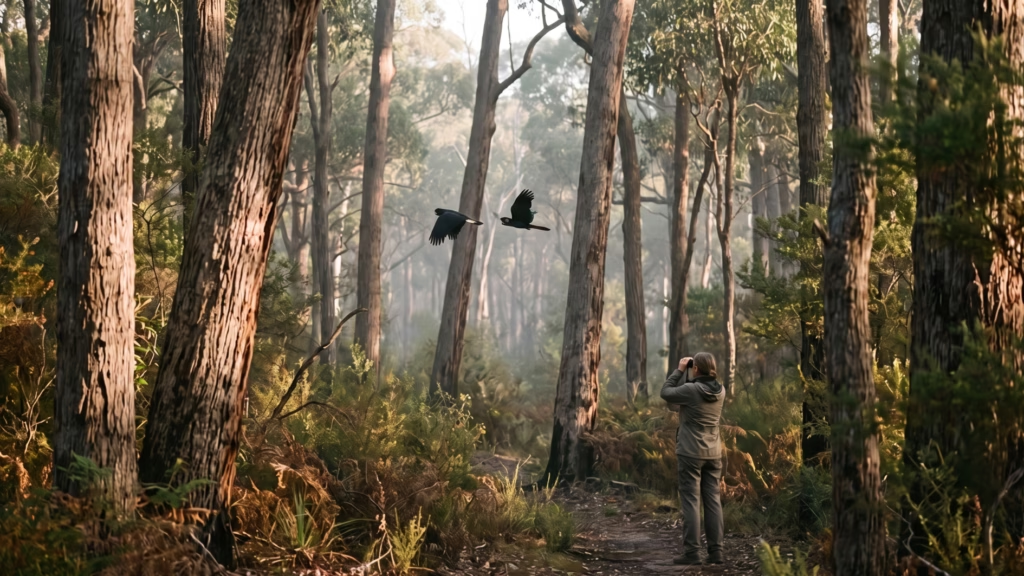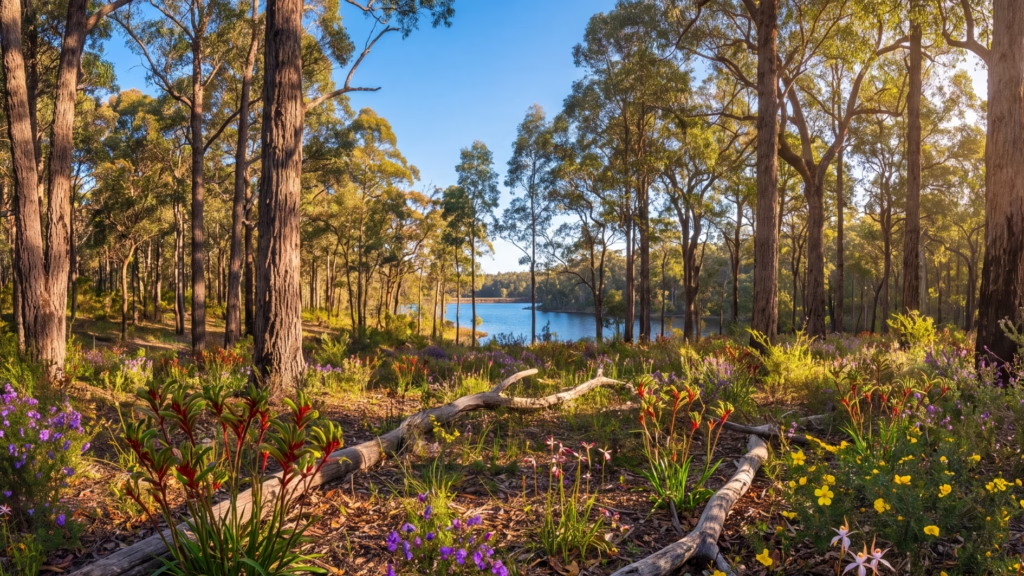

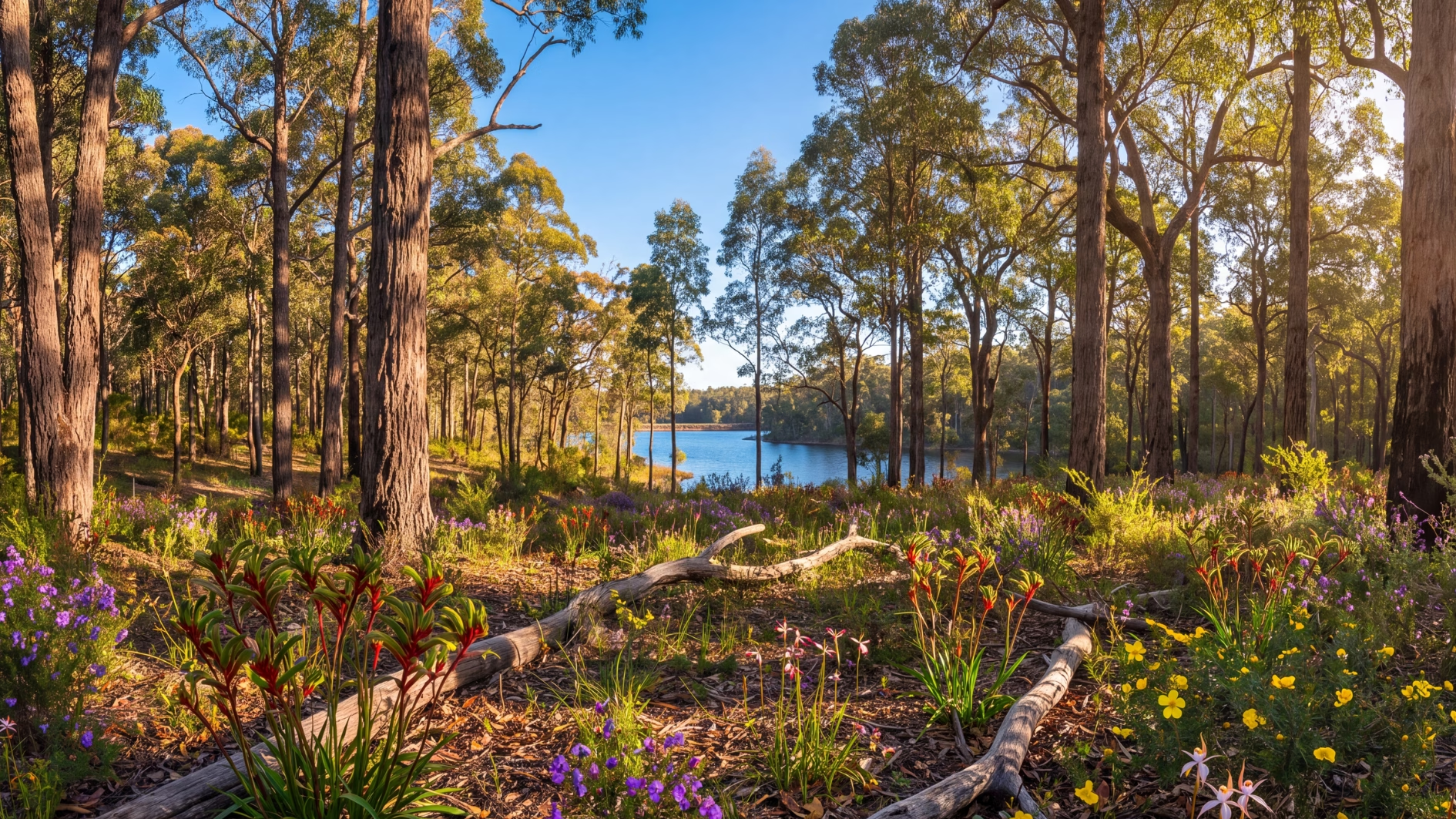
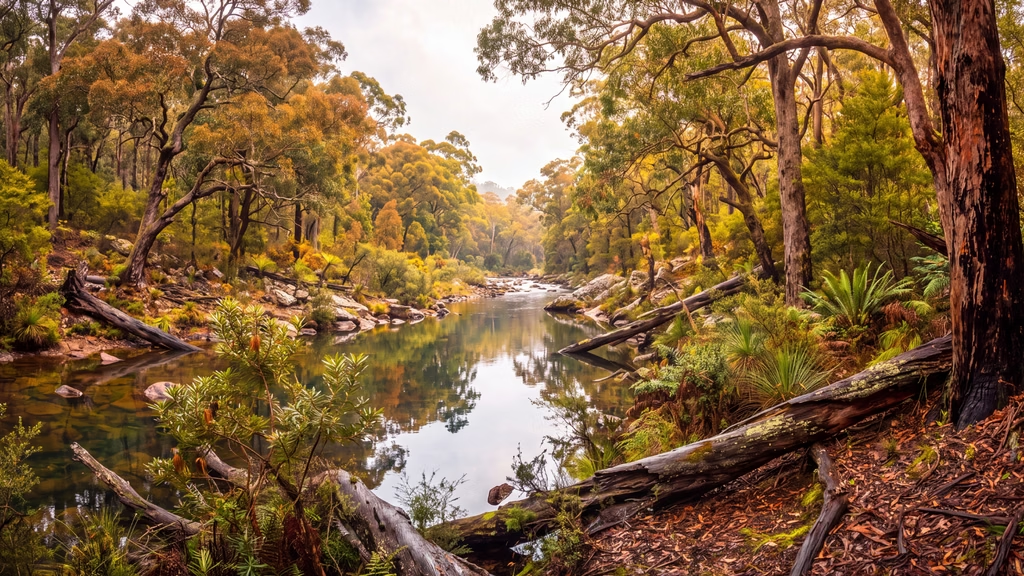
September and October are a great time to visit Wellington Dam. Spring brings wildflowers into bloom across the jarrah forest, and black cockatoos can be seen moving through the forest.
The forest changes throughout the year, with different plants, wildlife and conditions to see in each season. This guide looks at what to expect throughout the year so you can choose when to visit.
Spring: August to November
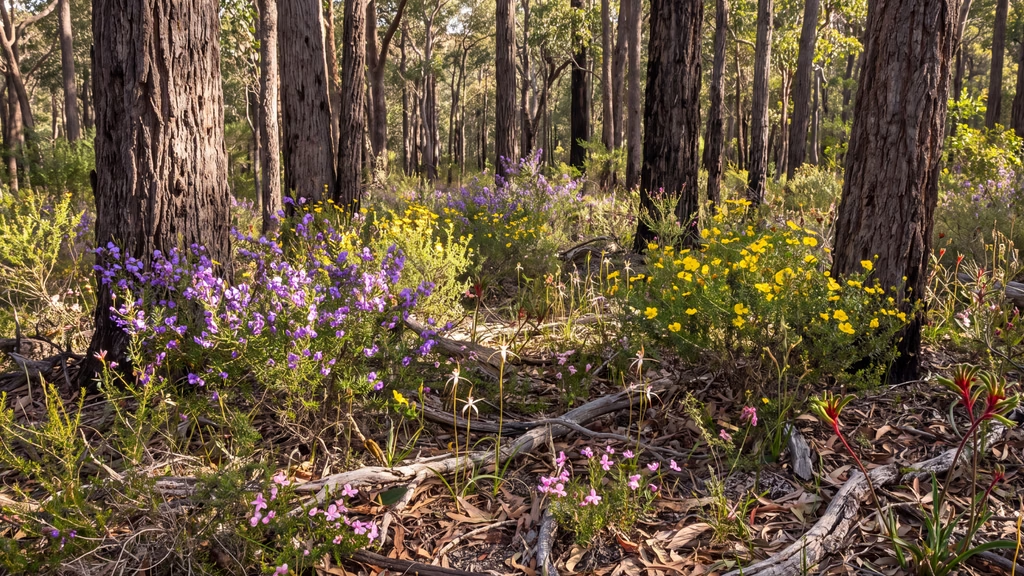
Spring is the main wildflower season at Wellington Dam. The first blooms begin to appear from August, with more species coming into flower as the weather warms. By September and October, the jarrah forest understorey is at its most colourful.
Wellington National Park is home to more than 300 flowering plant species, including banksias, grevilleas, triggerplants, sundews and orchids. Spring is also a good time to see the river flowing after winter rain.
What wildflowers to expect
Wildflower timing varies with rainfall and local conditions, so there is no fixed date when everything comes into bloom.
August marks the beginning of the spring display, with early orchids and other flowering plants appearing as conditions warm. Through September and October, more species come into flower across the jarrah forest, with some continuing into November.
If you are planning to spend a full day in the area, our guide to the best things to do at Wellington Dam covers the main walks, viewpoints, camping areas and other places worth visiting.
Black cockatoos in spring
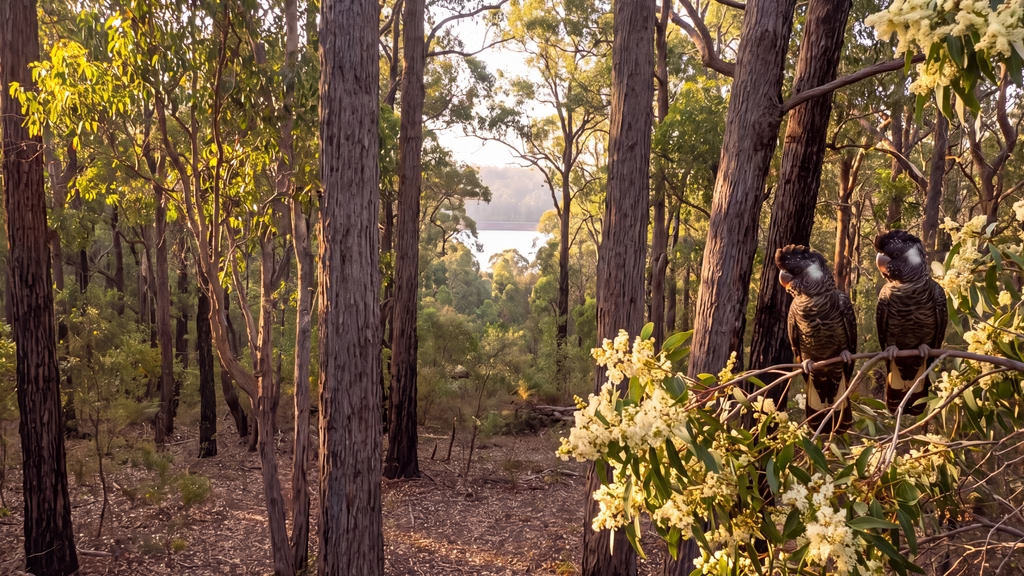
Spring can also be a good time to look for black cockatoos around Wellington Dam.
Carnaby’s black cockatoos breed inland before moving back towards coastal areas later in the year. Their breeding season generally runs from late July into January. Forest red-tailed black cockatoos also breed from late July to October and feed heavily on native trees such as Marri and Jarrah.
Baudin’s black cockatoo also occurs in the southwest. All three species are threatened, so keep your distance if you see one and avoid approaching birds or using playback.
Practical spring notes
Spring is a popular time to visit Wellington National Park, particularly when wildflowers are in bloom. Weekdays can be a quieter option if you want to spend more time walking or exploring the area.
If you are planning to stay overnight, check current camping availability before travelling, particularly for weekends and school holidays.
Month by month: what to expect through the year
| Month | Season | Wildflowers and plants | Black cockatoos | Visitor notes |
| July | Winter | Fewer wildflowers, with some winter flowering plants | Cockatoos may be moving between feeding and breeding areas | Cooler and generally quieter |
| August | Early spring | Early orchids and other spring flowers begin appearing | Breeding activity begins for some species | Good time to see the season starting |
| September | Spring | More wildflowers come into bloom across the forest | Black cockatoos may be active around forest feeding areas | A good month for combining flowers and forest walks |
| October | Late spring | Wildflower displays continue, with different species flowering as the season progresses | Forest red-tailed black cockatoos are still within their breeding season | Spring conditions continue |
| November | Late spring | Some spring flowers continue while early summer flowering begins | Bird activity varies with food and breeding conditions | Warmer and generally drier |
| December to February | Summer | Marri begins its main flowering period | Native tree flowers and seeds provide important food sources | Hotter conditions. Early morning is more comfortable |
| March to June | Autumn and winter | Fewer spring wildflowers, with seasonal changes across the forest | Cockatoos move between different feeding areas | Cooler months with fewer visitors |
Marri flowering and black cockatoos
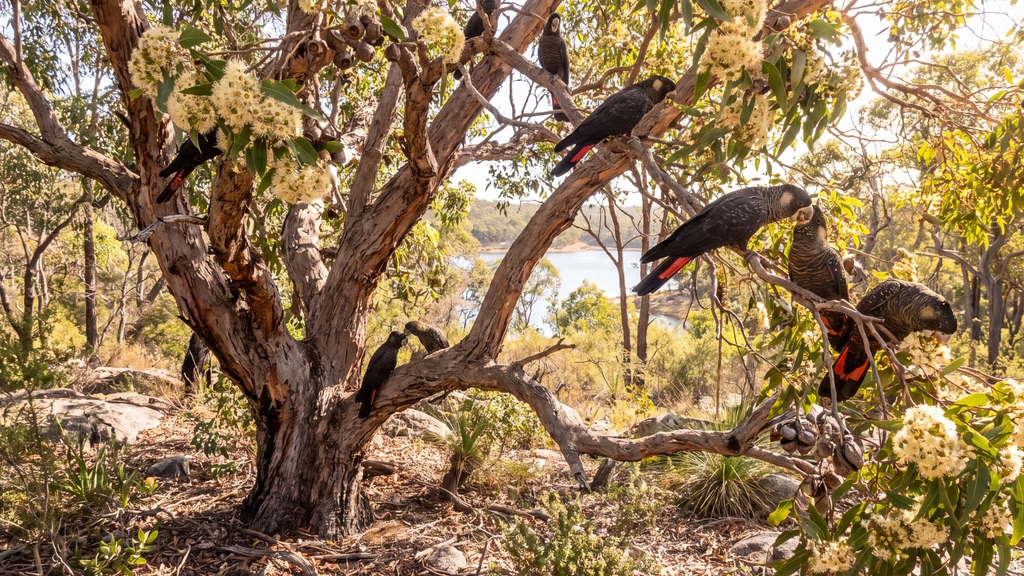
Marri is an important food source for black cockatoos around southwest WA. The tree generally flowers from December through May, with flowering peaking around February and March.
When Marri is flowering and producing its distinctive honky nuts, it provides food for native birds including black cockatoos. This means summer and early autumn can still be worthwhile for birdwatching, even outside the main spring wildflower season.
For more information about the tree and its role in the local ecosystem, see our guide to Marri trees in Western Australia.
Summer: December to February
Summer at Wellington Dam is hot and dry, so early morning is generally the most comfortable time for walking and birdwatching.
The forest can still be interesting during summer, particularly around flowering native trees. Marri flowers from December through May, with the main flowering period around February and March.
If you are visiting during the warmer months, take plenty of water, wear sun protection and check current park conditions before setting out.
Autumn and winter: March to July
Autumn and winter offer a different experience of Wellington Dam. The weather is cooler, the forest changes with the seasons, and visitor numbers are generally lower than during the warmer months.
Wildflowers are less prominent than in spring, but winter flowering plants can still add colour to the forest. The river and surrounding bushland also change with winter rainfall.
These months can suit visitors who prefer cooler conditions and a quieter walk through the forest.
Adding Living Legacy Wellington Dam to your visit
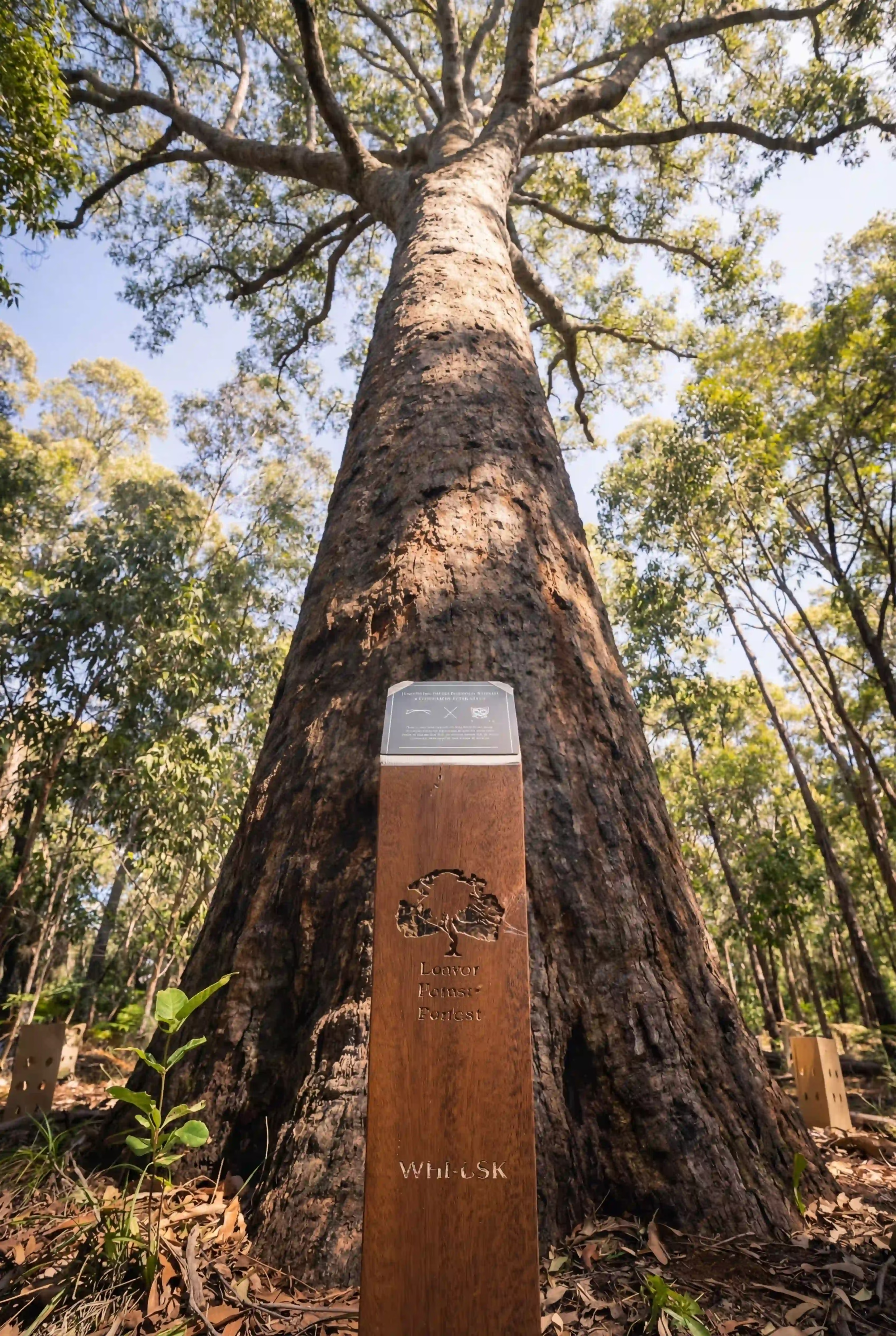
Wellington Dam Living Legacy Forest is a protected memorial forest near Wellington Dam, with native trees including Jarrah, Marri and Blackbutt. The forest is open for tours throughout the year.
If you are considering a memorial tree, you can learn more about how a Living Legacy Tree works and the different tree options before visiting.
The forest also offers free private tours, where the team explains the memorial tree process, shows visitors the available tree species and answers questions about planning a Living Legacy.
You can book a free private tour before your visit.
Common questions
When is the best time to visit Wellington Dam for wildflowers?
Spring is the main wildflower season at Wellington Dam. September and October are a good time to visit when a wider range of plants are typically flowering, although the exact timing varies with rainfall and seasonal conditions.
When can I see black cockatoos at Wellington Dam?
Black cockatoos can occur around Wellington Dam throughout the year. Their movements vary according to breeding and food availability, so sightings are never guaranteed. Early morning is generally a good time for birdwatching.
Is Wellington Dam busy in spring?
Spring is a popular time to visit Wellington National Park, particularly when wildflowers are in bloom. Weekdays are a good option if you prefer a quieter visit.
What is the best month for a day trip to Wellington Dam?
There is no single best month for everyone. September and October are a good choice if you want to combine spring wildflowers with walks through the forest, while summer can suit visitors interested in the warmer weather and native flowering trees.
For a broader guide to planning your visit, see our guide to the best things to do at Wellington Dam.
Can I visit Wellington Dam Living Legacy Forest in spring?
Yes. The forest offers free private tours throughout the year. You can book a tour to see the forest, learn about Living Legacy Trees and discuss your memorial options with the team.
Wellington Dam Living Legacy Forest | livinglegacywellingtondam.org.au | 0427 096 944 | office@legacyforest.org.au