
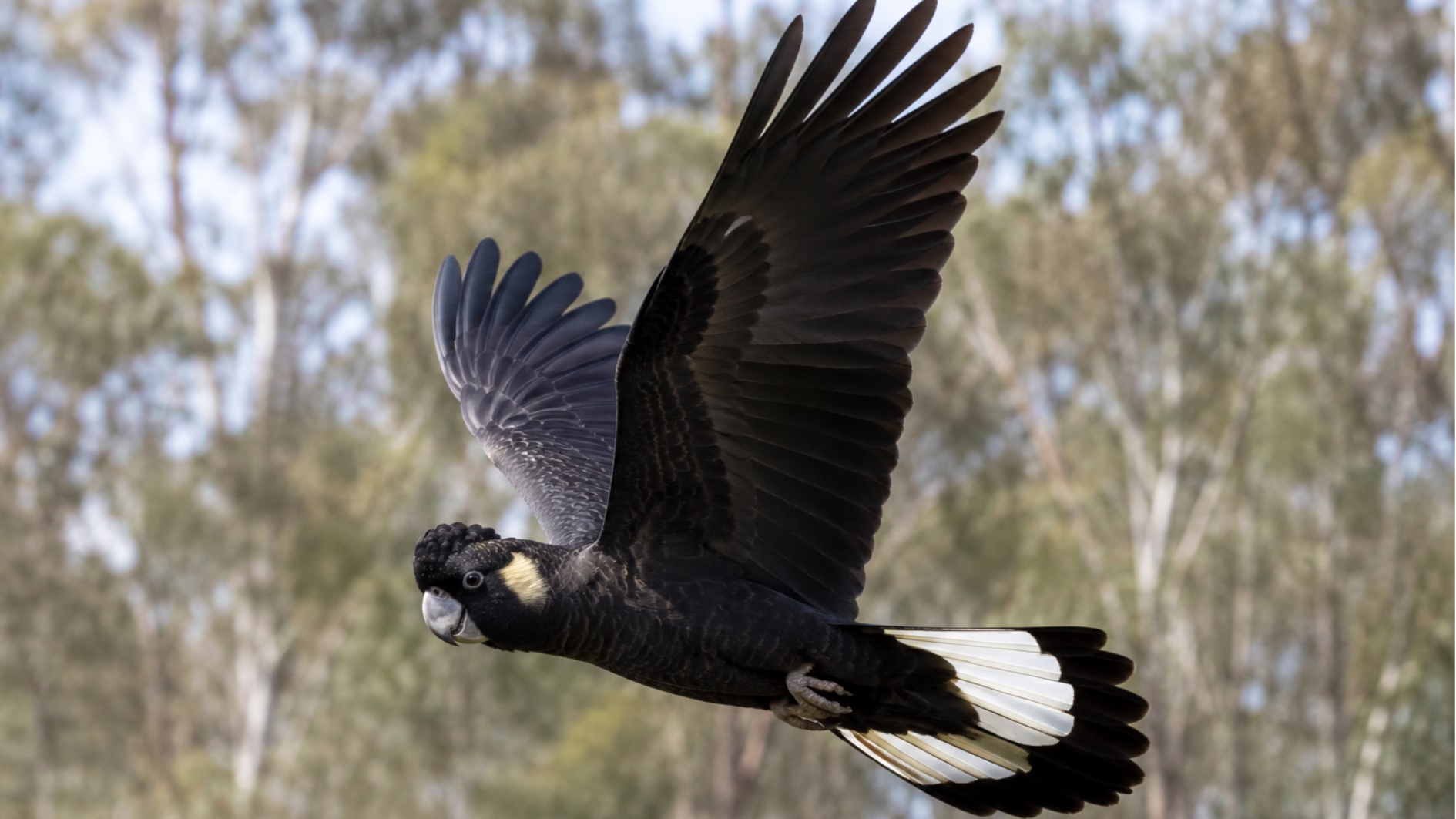
Carnaby’s black cockatoo is dying out for a reason most people never hear. It is not one habitat being lost. It is two, and they are drifting apart. The bird breeds in one place and feeds in another, and as the land between them is cleared, the distance is becoming too far to raise a chick. This is why the species is endangered, and where a forest like this one fits in.
What Carnaby’s black cockatoo is
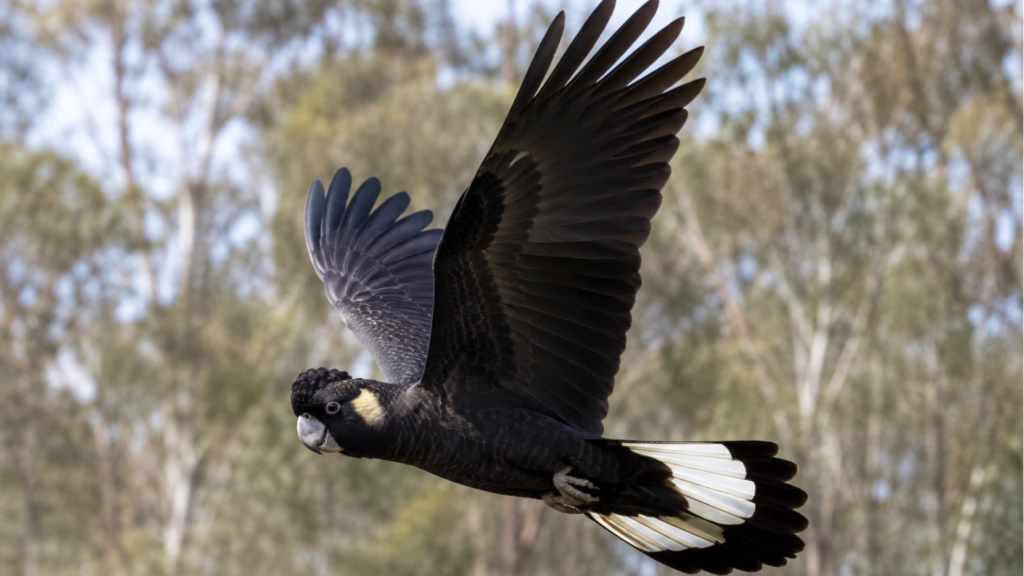
Carnaby’s black cockatoo (Zanda latirostris, once Calyptorhynchus latirostris) is a large black cockatoo with a white tail panel and a short, pale bill. It is found only in the southwest of Western Australia, nowhere else on earth. Most people in Perth know its slow, deep wingbeats and its “wee-loo” call overhead.
The marri tree page covers how the bird feeds and why the marri matters to it. This page is about something that post does not cover: why the bird is disappearing, and what actually keeps it alive through the year.
Why Carnaby’s needs two separate habitats to survive
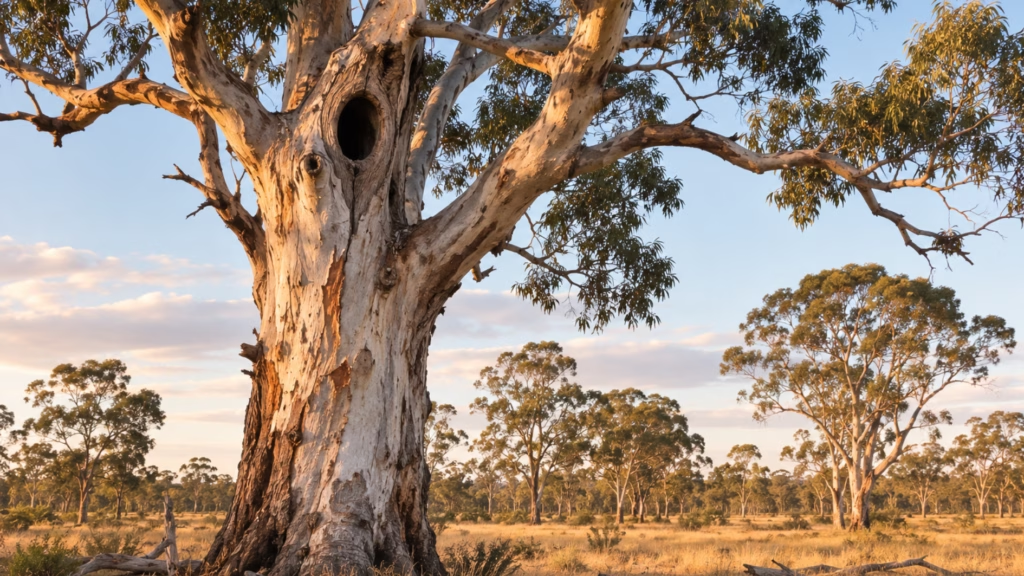
Carnaby’s needs two different places, in two different seasons, and it flies between them every year.
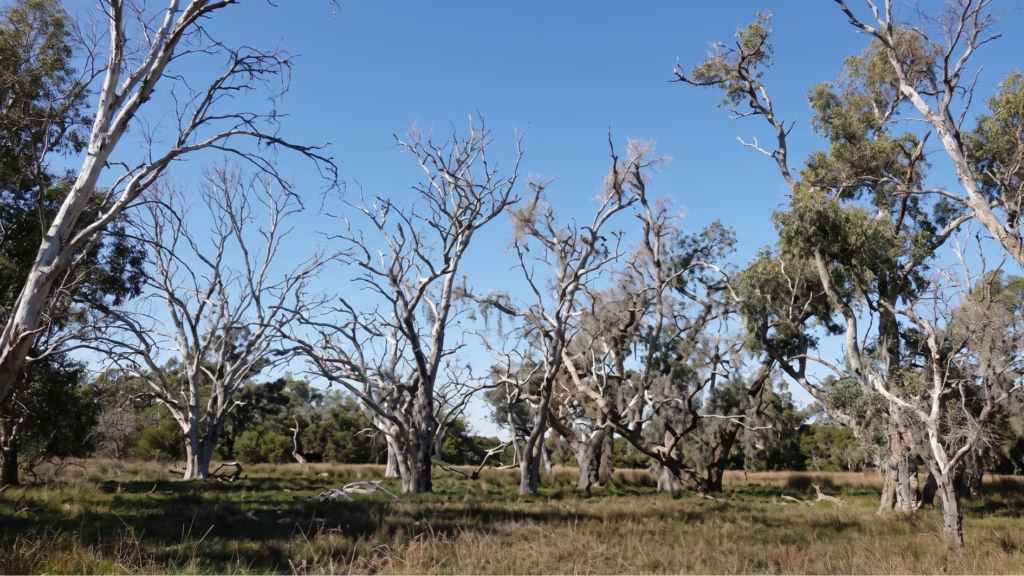
- In spring and summer it breeds inland, in the hollows of old salmon gum and wandoo in the Wheatbelt.
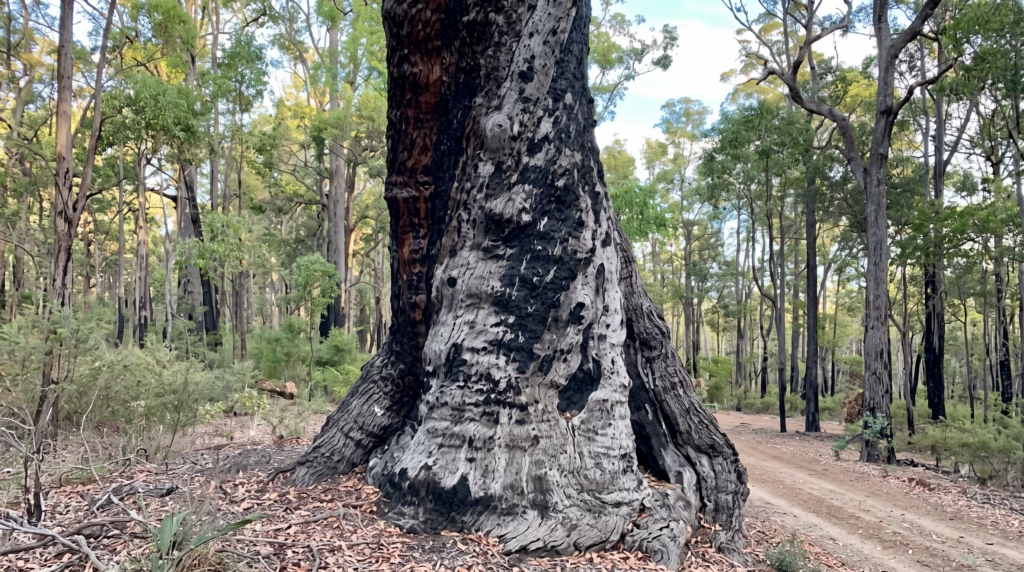
- In autumn and winter it moves to the coast and the forests, feeding in banksia woodland, heath and native forest like the country around Wellington Dam.
For thousands of years those two habitats sat close enough together to work. A parent bird could nest inland and still reach enough food to raise its single chick. That is the arrangement that has now broken.
Why Carnaby’s black cockatoo is endangered
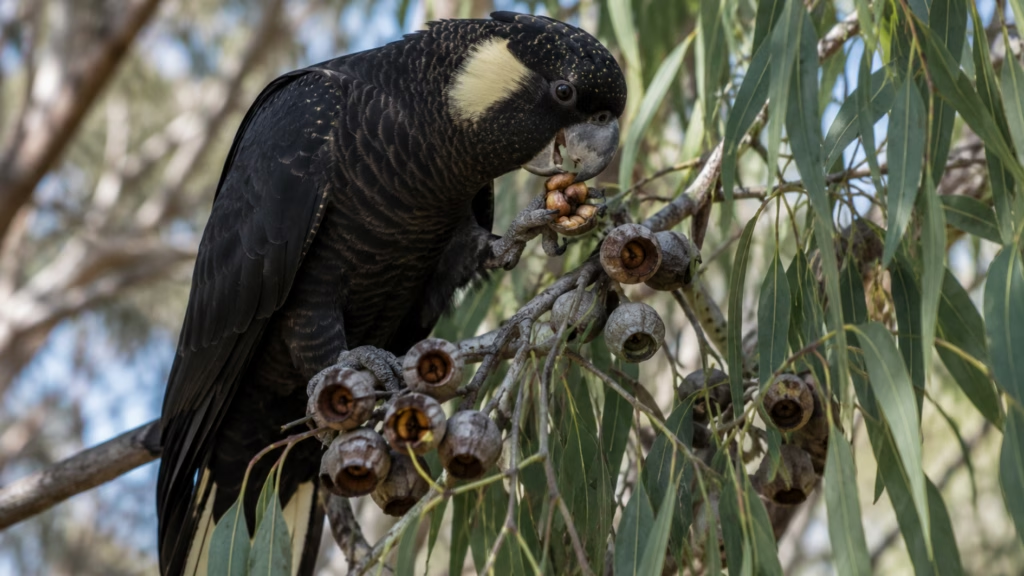
The short version is clearing, but the detail is what matters.
| The problem | What it means for the bird |
| Wheatbelt clearing | Around 87% of its Wheatbelt habitat has been cleared, mostly for farming |
| Feeding and nesting pulled apart | Food is now often too far from the hollow for parents to feed a chick |
| Lost hollows | Nest hollows form over 100 years or more, and are cut for firewood faster than they return |
| Competition for hollows | Galahs, corellas and feral bees take the few hollows that remain |
| Coastal feeding lost | Urban growth on the Swan Coastal Plain has removed much of its winter food |
Put together, the result is stark. The population has fallen by more than 50% in 45 years, and the bird no longer breeds in up to a third of its old Wheatbelt sites. On the Swan Coastal Plain, the Great Cocky Count has recorded declines of around 10% a year.
The heart of it is that second row. A cockatoo can survive a hard year. What it cannot survive is a nest hollow with no food within reach of it, season after season. When the feeding country near the breeding country is cleared, the birds simply stop breeding there.
Why the western feeding forests still matter to Carnaby’s
This is where honesty matters, because it is easy to overstate. Wellington Dam is not breeding country. Carnaby’s does not nest here. The salmon gum and wandoo it breeds in grow inland, and no forest near the coast changes that.
What this forest is, is the kind of country that makes up the other half of the bird’s year. Through autumn and winter, when Carnaby’s leaves the Wheatbelt and moves west, it feeds in native forest and woodland of this type, on marri and other seed that carries through the cooler months. Protecting and growing that kind of habitat does not fix the breeding crisis inland. But a bird that cannot feed in winter is in as much trouble as one that cannot nest in spring, and the western feeding country is the half that forests like this help hold.
So the honest claim is a modest one, and a real one. A forest here does not save the species by itself. It protects the food the species needs to get through half of every year.
How marri connects a memorial tree to Carnaby’s
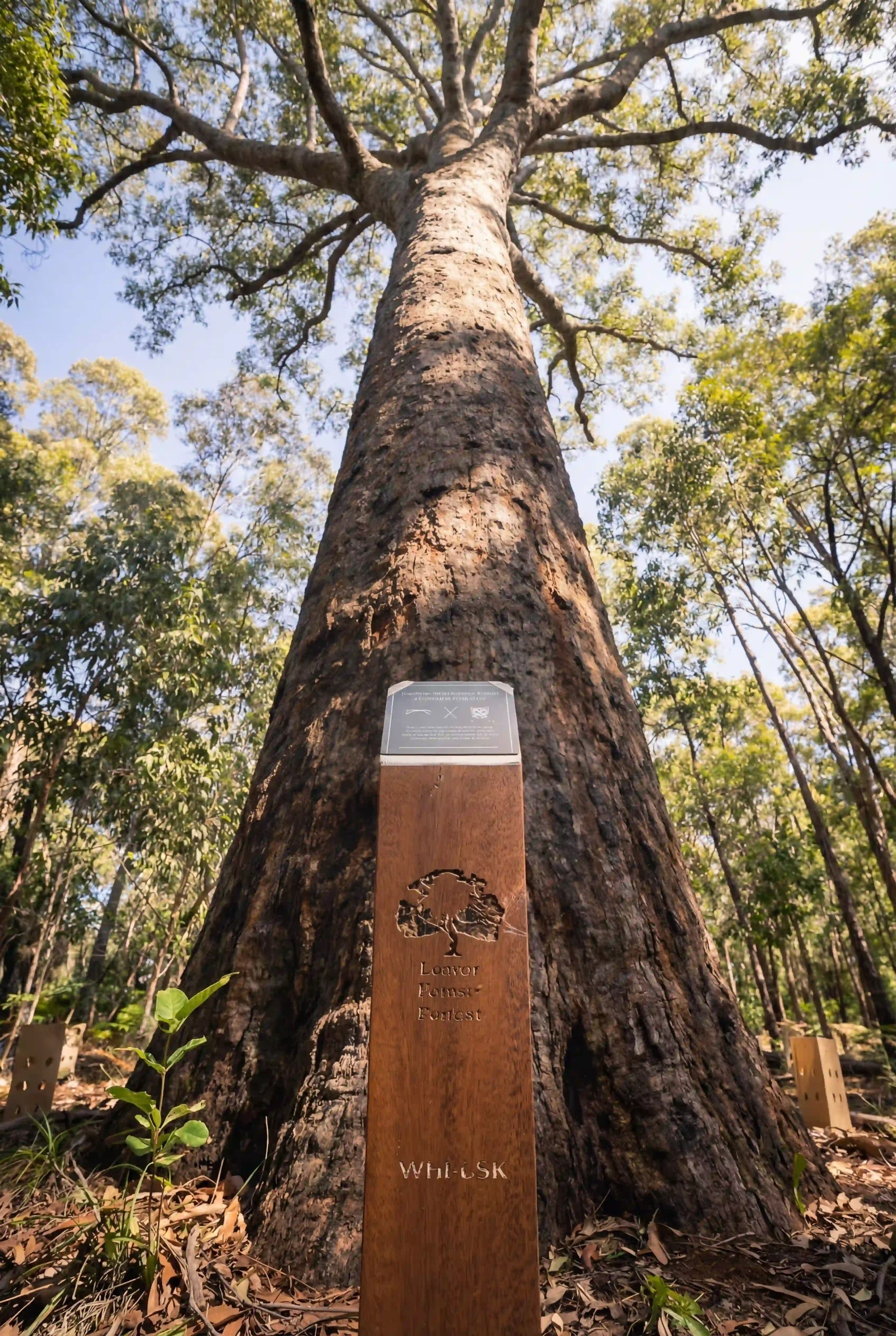
Of the trees a family can plant here, one is directly tied to this bird: marri. Marri seed is one of Carnaby’s most important foods, and its heavy nut is built for exactly the kind of powerful bill this cockatoo has.
So the honest version of what a memorial marri does is this. It is a tree for a family first. It is also one more marri in the world, a species this endangered bird depends on across its range. That is a modest, true thing, and it does not need dressing up into a claim that one tree saves a species.
The forest’s other species, jarrah, blackbutt and bullich, are the giants of this country and matter to the wider ecosystem, but marri is the one that carries the Carnaby’s story. You can see all four on the memorial tree packages page or check our premium location.
How to tell Carnaby’s from the other black cockatoos
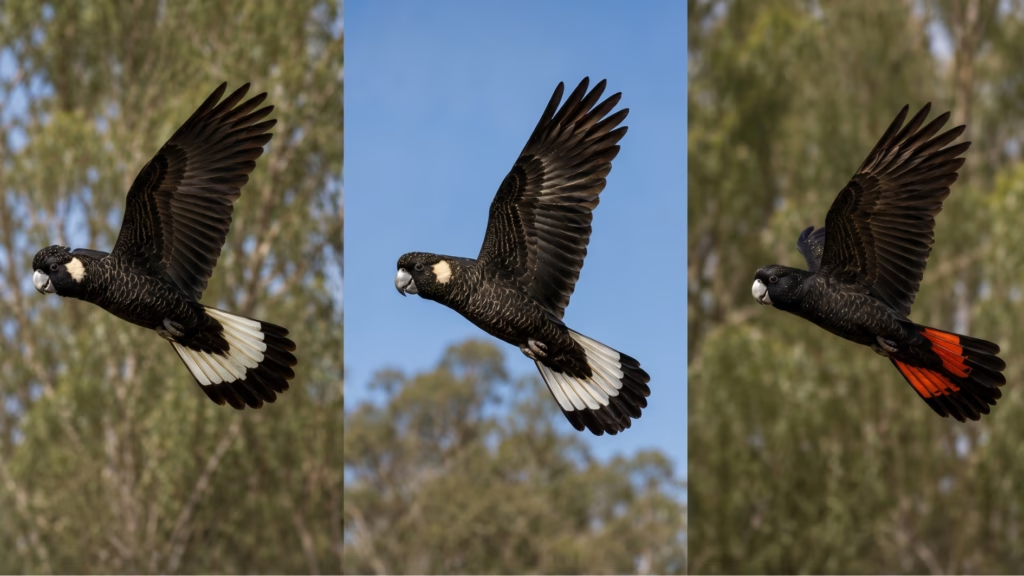
Three black cockatoos live in the southwest, and people mix them up. A quick guide.
- Carnaby’s: white tail panels, short pale bill, “wee-loo” call. Feeds heavily on marri and banksia seed.
- Baudin’s: very similar white tail, but a long upper bill built for prising seed out of marri nuts rather than cracking them.
- Forest red-tailed: red tail panels instead of white, darker overall, stays in the heavier forest.
If it has a white tail and you are anywhere near the coast or the jarrah forest in winter, it is most likely Carnaby’s.
What the future holds for Carnaby’s black cockatoo
Carnaby’s is not beyond saving, but it needs both of its homes protected at once, the breeding woodlands inland and the feeding country to the west. Inland recovery is slow work on cleared farmland, and it is where the hardest part of the problem sits.
Growing native forest to the west does not fix that. What it does is keep standing, and add to, the kind of country the bird uses when it leaves the Wheatbelt to feed. For an endangered species running short of both food and time, holding that ground is worth doing.