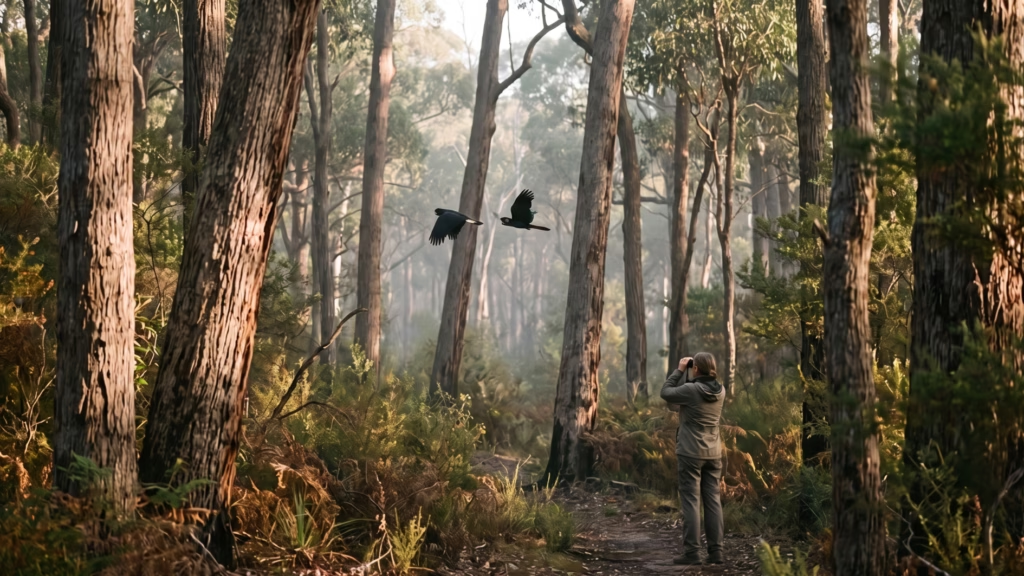
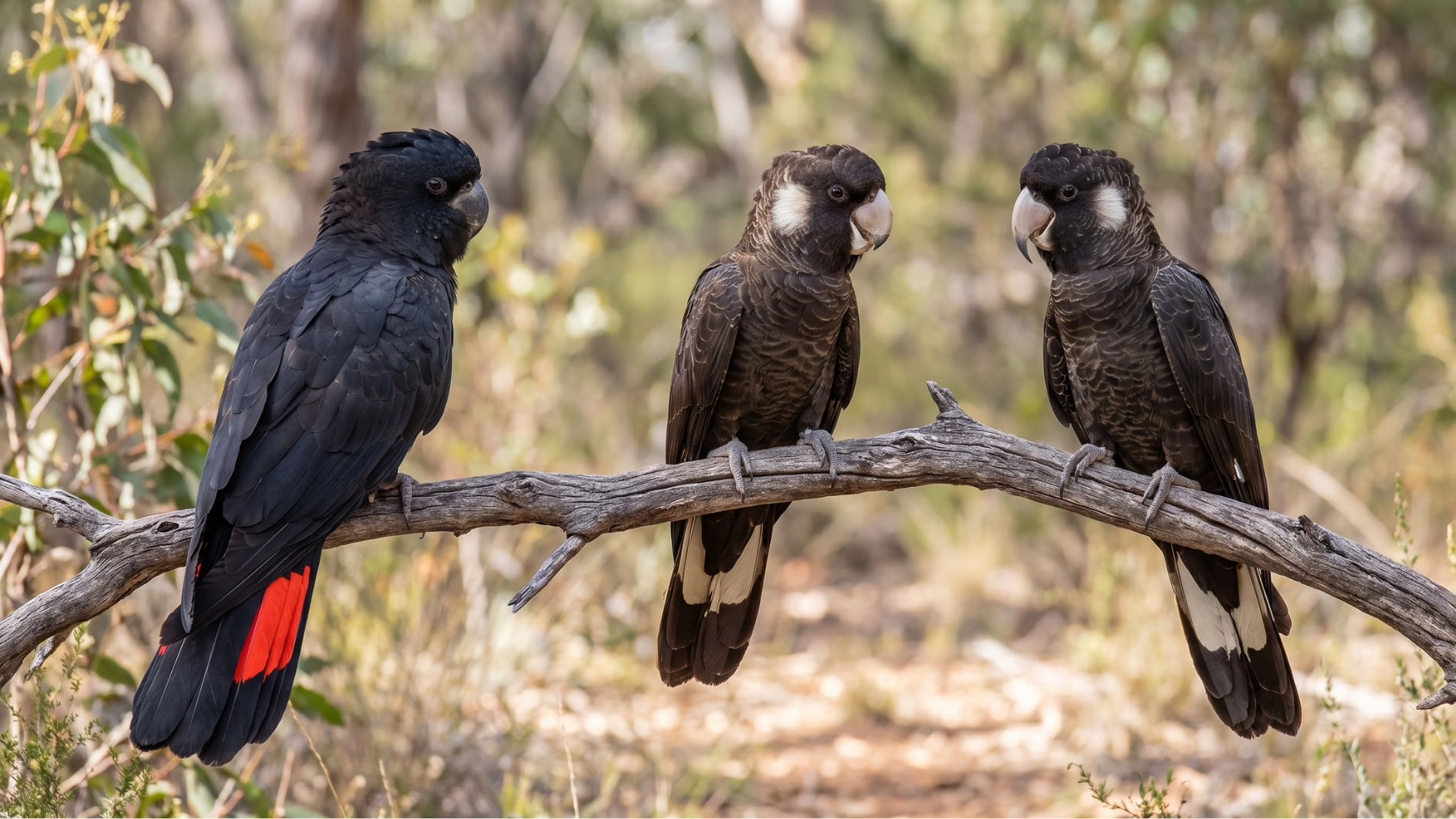
Three species of black cockatoo live in Southwest WA. They are the forest red-tailed, Carnaby’s and Baudin’s black cockatoos.
All three are threatened, and telling them apart is not always easy. They are large, black and loud, and a bird seen flying overhead can be difficult to identify. It is easy to see why one species can end up being recorded as another.
The three species have different habitats and diets, and their conservation needs are not the same. Knowing which cockatoo you are looking at helps build a more accurate picture of where each species lives and how it is doing.
[ Book a tour — livinglegacywellingtondam.org.au ]
How to tell them apart at a glance
| Forest red-tailed | Carnaby’s | Baudin’s | |
| Tail colour | Bright red panels (male); orange-red with yellow barring (female) | White panels | White panels |
| Bill shape | Dark grey, heavy and curved | Short and wide, pale pink grey | Long and slender, pale pink grey |
| Cheek patch | Male: no pale cheek. Female: yellow spots on head and body | White or pale pink | White or pale pink |
| Body size | Large, 50 to 60 cm | Large, 53 to 60 cm | Large, 53 to 60 cm |
| Call | Loud, rolling “kree-ee” | High, wailing “wee-lah” | Slower, nasal “wee-loo” |
| Key food | Marri, jarrah, blackbutt, karri seed. Sheoak. Snottygobble | Banksia, hakea, pine cones, almonds | Marri seed pods, apples and pears (orchards) |
| Habitat | Tall jarrah, marri, karri forest. Streamside areas | Kwongan heath, banksia woodland, mallee. Also jarrah zone outside breeding season | Southern jarrah, marri, karri forest. Does not use heath or mallee |
| Status (EPBC) | Vulnerable | Endangered | Endangered |
| Status (WABC) | Schedule 3 | Schedule 2 | Schedule 2 |
The fastest identification feature is tail colour.
A red tail means forest red-tailed black cockatoo. White tail panels mean Carnaby’s or Baudin’s.
To separate those two, look at the bill. Short and wide is Carnaby’s. Long and thin is Baudin’s.
The calls are also distinct, once you have heard them a few times.
Forest red-tailed black cockatoo (Calyptorhynchus banksii naso)
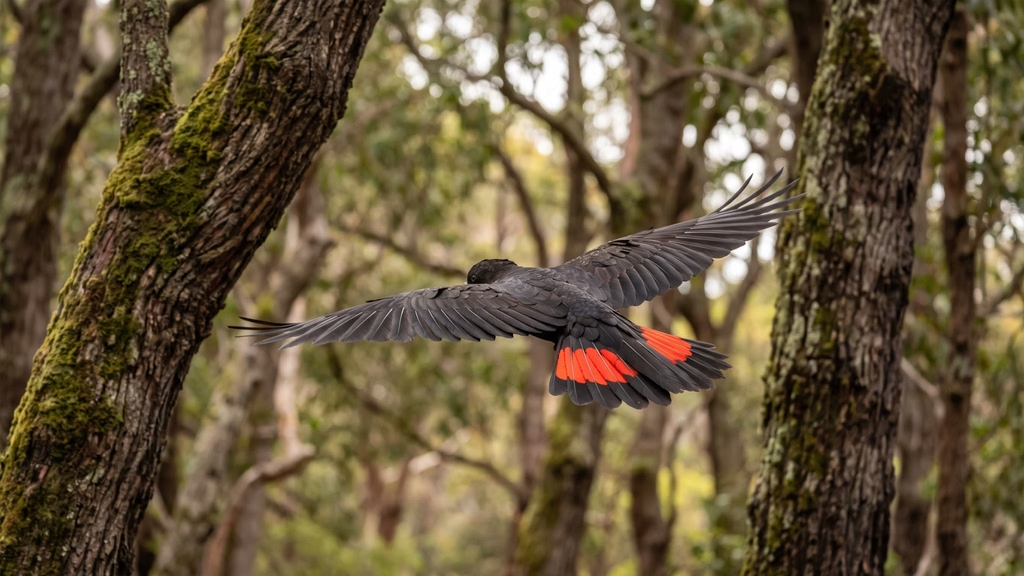
This is the easiest of the three to identify.
Males have a broad, bright red band across the tail. Females have orange-red tails with pale yellow barring, plus scattered yellow spots across the head and body. Both sexes have a heavy, dark bill. In flight, the red tail shows from a long way off.
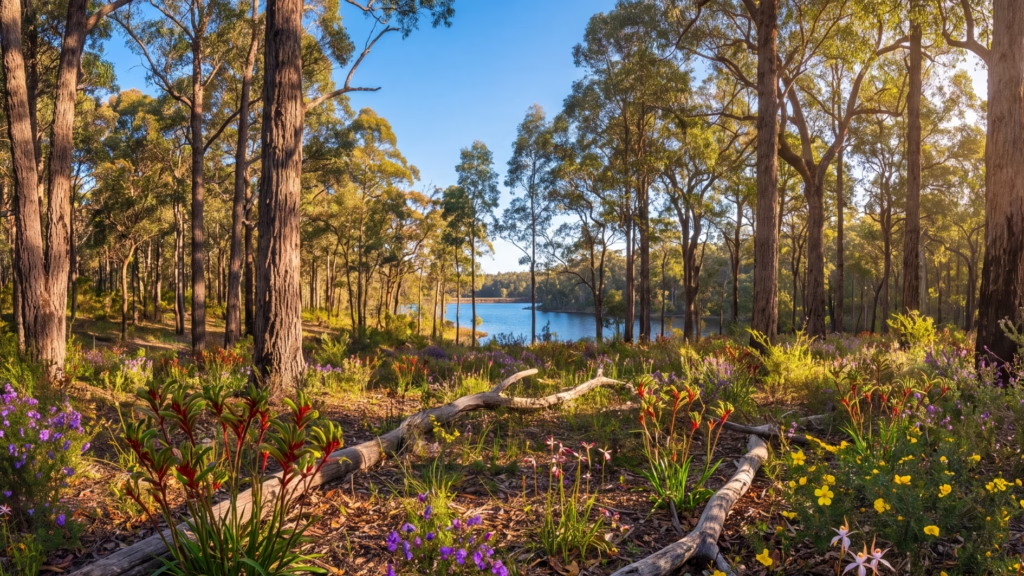
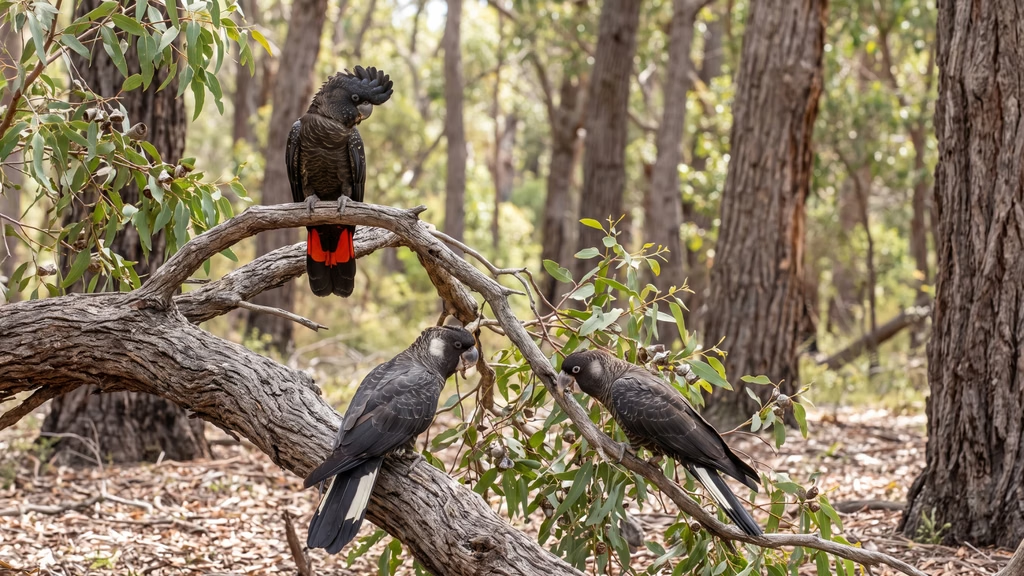
It is a forest bird. It breeds and forages in tall jarrah, marri, karri, and karri-tingle forest, mostly south of the Swan River, and nests in old growth hollows between October and February. The diet centres on the seeds of marri, jarrah, blackbutt, karri, sheoak, and snottygobble. Unlike the other two species, it does not use heathland or mallee.
Status: Vulnerable under the federal EPBC Act, and Schedule 3 under the WA Biodiversity Conservation Act 2016. The main threat is the loss of old trees with hollows, which take over 100 years to form. Logging of mature forest, fire, and competition with other hollow using species all reduce the nesting sites available.
Carnaby’s black cockatoo (Zanda latirostris)
Carnaby’s is the most widespread of the three, and the one most likely to be seen across Southwest WA, from the Midwest coast south to Esperance.
Both sexes are black with white tail panels and a white cheek patch. The bill is short, broad, and pale pink grey. The call is a high, wailing cry with two notes.
It breeds in kwongan heathland and banksia woodland, and feeds heavily on banksia, hakea, and pine cones. Pine cones are nutritionally poor but abundant and easy to open, so large flocks gather in pine plantations. In winter, flocks move to the Swan Coastal Plain and the northern wheat belt. Unlike Baudin’s, Carnaby’s does not extract seeds from inside marri pods.
Status: Endangered under the EPBC Act, and Schedule 2 under the WA Biodiversity Conservation Act. This is the most threatened of the three. Clearing of breeding ground in the wheat belt, pine plantation removal without replacement food sources, and the ongoing loss of native vegetation on the coastal plain have all driven the decline.
Baudin’s black cockatoo (Zanda baudinii)
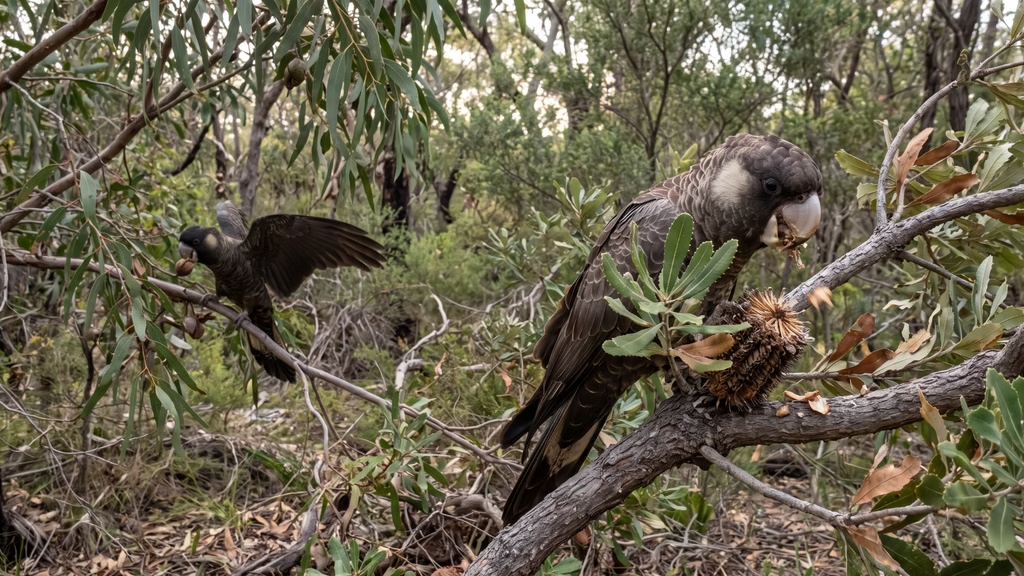
Baudin’s has the smallest range of the three. It lives mostly in the wetter jarrah, marri, and karri forest zone, from Albany north to the eastern Perth Hills and Bunbury.
It looks almost identical to Carnaby’s. Black body, white tail panels, white cheek patch. The difference is the bill: longer and more slender, built for extracting seeds from inside marri pods.
The diet is dominated by marri, banksia, and hakea seeds. It also eats apples, pears, and other orchard fruit, which brings it into conflict with orchardists. Unlike Carnaby’s, it does not use pine plantations as a food source. Breeding runs from August to December in the southern part of the range.
Status: Endangered under the EPBC Act, and Schedule 2 under the WA Biodiversity Conservation Act. The main threat is the loss of old marri and jarrah trees with nesting hollows. Baudin’s needs very large old trees to nest and depends more on old growth forest than Carnaby’s does. It is also the least studied of the three, and DBCA’s recovery plan review notes gaps in monitoring.
Why old trees are the limiting factor for all three
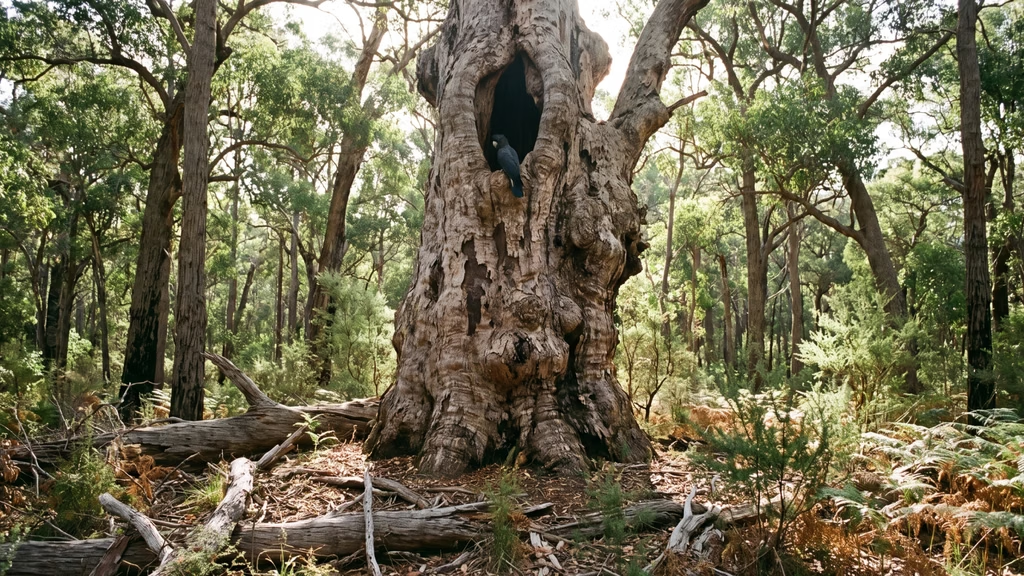
All three species nest in natural tree hollows.
Hollows large enough for a black cockatoo take well over 100 years to form in jarrah and marri. The Great Cocky Count, an annual citizen science survey running since 2010, monitors roost sites across Southwest WA and tracks population trends for all three species.
Food is not the limiting factor for the forest red-tailed and Baudin’s black cockatoos. Hollow availability is. A forest without old trees that have suitable hollows cannot support breeding populations, no matter how much food is available.
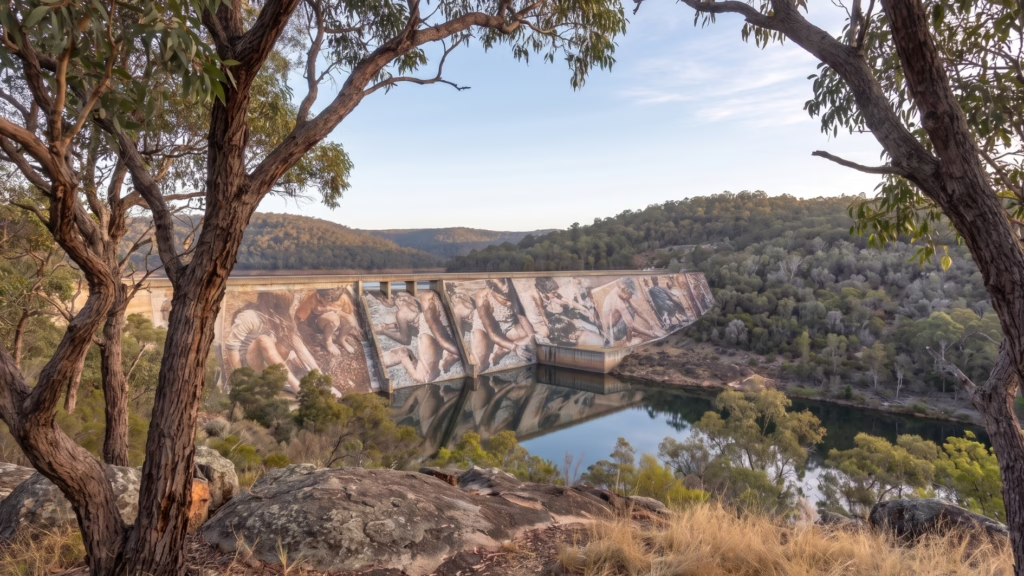
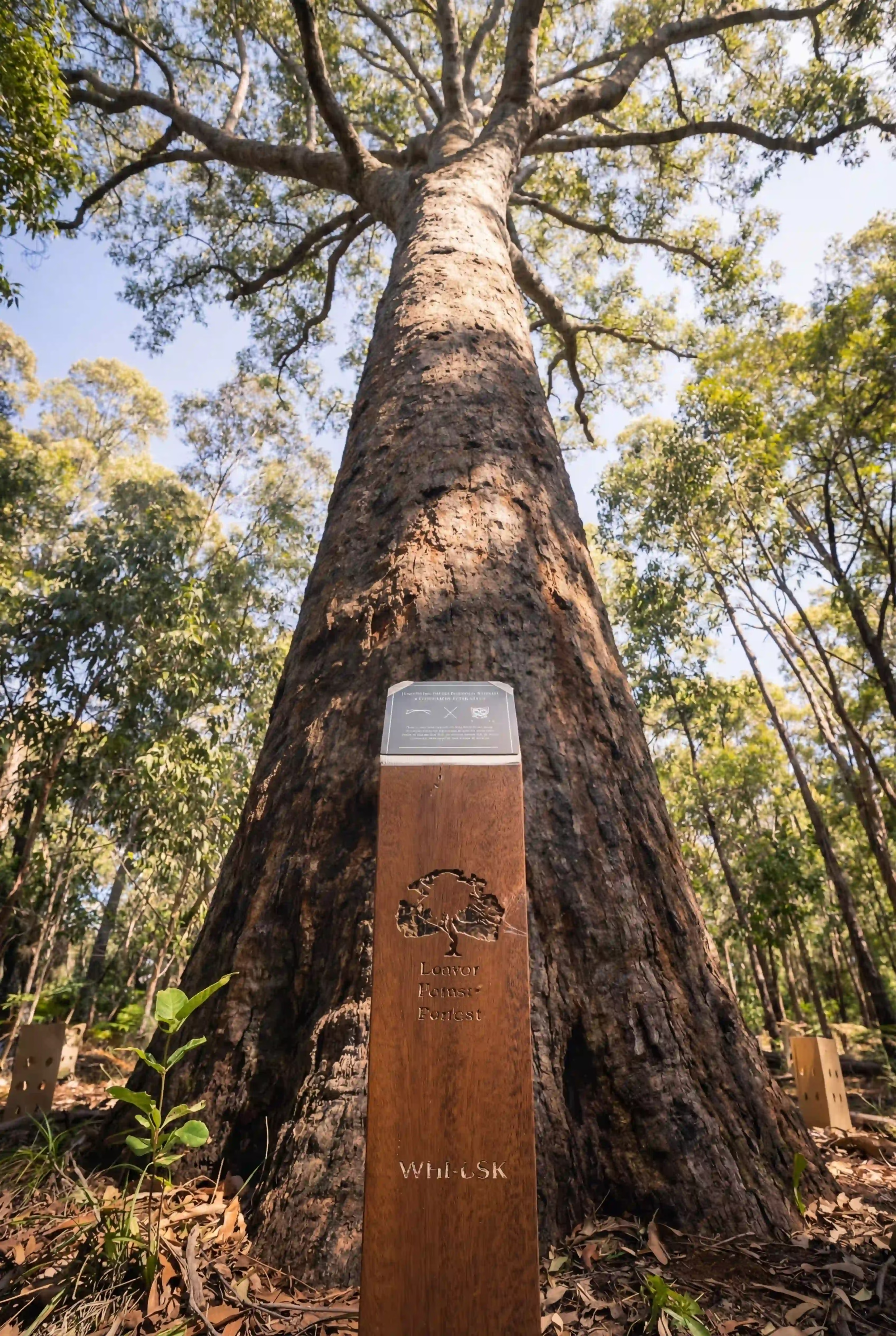
This is why the old marri and jarrah trees around Wellington Dam matter. They provide foraging and potential nesting sites for all three species, and the DBCA conservation covenant protecting Wellington Dam Living Legacy Forest keeps them from being removed, regardless of future land management decisions.
“My husband and I have a tree here. Visited recently and the sunlight filtering through was beautiful. There’s a kiosk nearby and bush camps if you want to make a weekend of it.”
— Melody Jones
Common questions
What is the difference between Carnaby’s and Baudin’s black cockatoos?
Both are black with white tail panels and a white cheek patch. The bill is the clearest way to tell them apart. Carnaby’s has a short, wide bill. Baudin’s has a long, thin bill built for extracting seeds from marri pods. Carnaby’s also uses heathland and mallee and eats pine cones. Baudin’s stays in wetter forest and does not use pine plantations.
How do I identify the forest red-tailed black cockatoo?
Look at the tail. Males have a bright red band. Females have orange-red with pale yellow barring and yellow spots on the head and body. No other large black cockatoo in Southwest WA has a red tail, and the bill is heavier and darker than the other two species.
Are all three WA black cockatoos threatened?
Yes. Carnaby’s and Baudin’s are both Endangered under the federal EPBC Act and listed on Schedule 2 of the WA Biodiversity Conservation Act 2016. The forest red-tailed black cockatoo is Vulnerable under the EPBC Act and Schedule 3 under the WA Act. The main threat for all three is the loss of old trees with nesting hollows.
Where can I see black cockatoos near Wellington Dam?
All three species occur in or near the jarrah forest zone around Bunbury, Collie, and Wellington. The forest red-tailed and Baudin’s are found in the tall jarrah and marri forest here. Carnaby’s may pass through during seasonal movement. Wellington Dam Living Legacy Forest is in the jarrah zone near Bunbury, and tours are free.
Why do black cockatoos need old trees?
They nest in natural tree hollows, and in jarrah and marri, a hollow large enough takes more than 100 years to form. Logging, fire, and land clearing remove these trees faster than they can be replaced. Without old hollow bearing trees, a forest cannot support breeding populations, even with plenty of food.
All three species are in decline.
The most useful thing a visitor can do is learn which species they are looking at, and report the sighting through BirdLife Australia’s eBird platform. Recovery planning depends on that data being accurate.
Sources and references
These are the sources behind the numbers used above: breeding season dates, hollow formation time, the Great Cocky Count start date, and the WA legal status categories.
- DBCA fire information note, Black Cockatoos: breeding season dates and species status (dbca.wa.gov.au/media/3196/download)
- DBCA fauna note, Artificial Hollows for Black Cockatoos: hollow formation time, over 100 years (dbca.wa.gov.au/media/6190/download)
- BirdLife Australia and DBCA, The 2021 and 2022 Great Cocky Count Report: survey running since 2010 (library.dbca.wa.gov.au)
- Biodiversity Conservation Act 2016 (WA): legal basis for the Schedule 2 and Schedule 3 status categories (legislation.wa.gov.au)
Book a free tour of Wellington Dam Living Legacy Forest
Walk a protected jarrah forest where all three black cockatoo species occur. No obligation.
[ Book a tour — livinglegacywellingtondam.org.au ]
Or call 0427 096 944