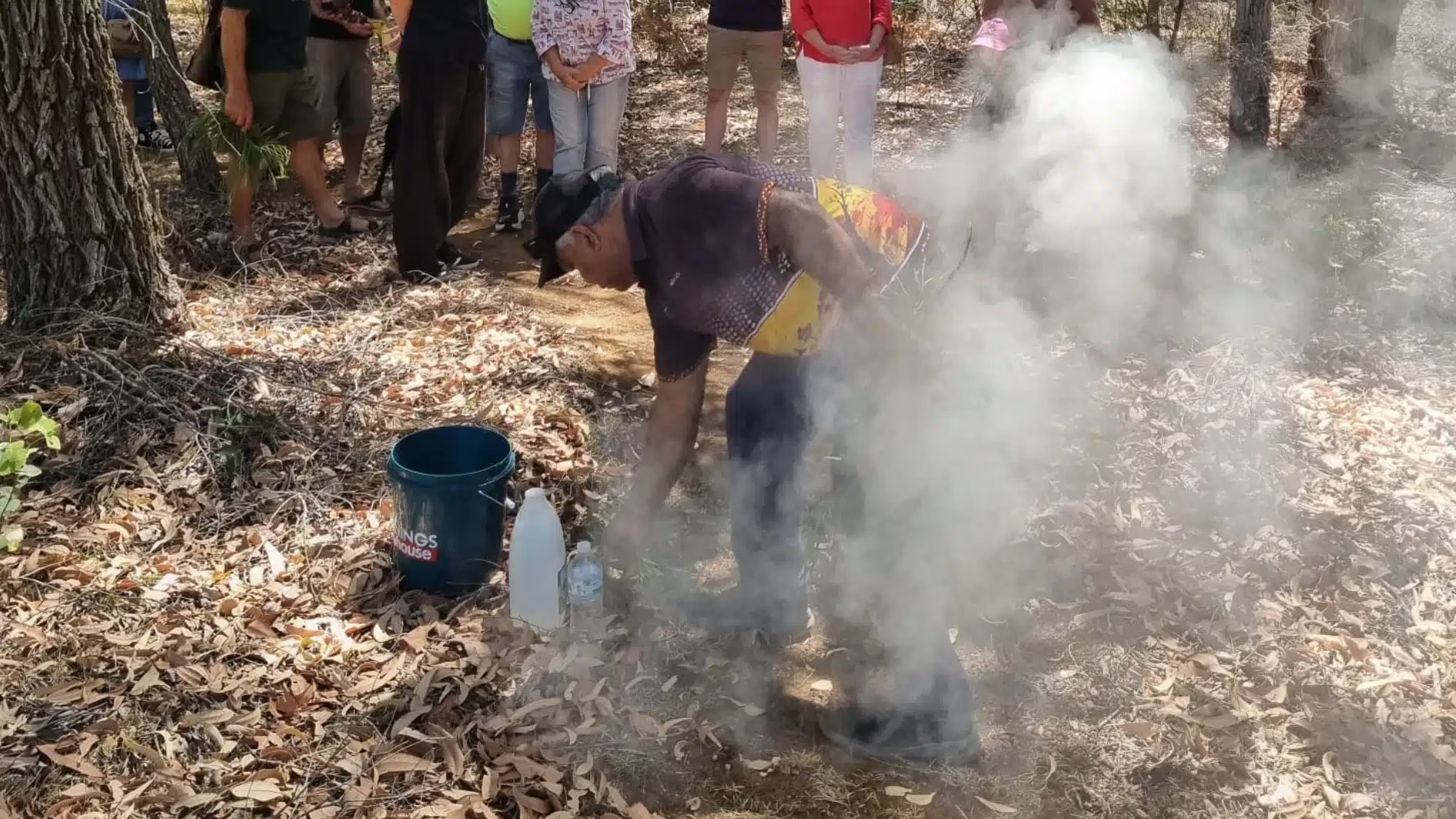
A smoking ceremony is a traditional ritual practised by many Aboriginal and Torres Strait Islander peoples across Australia. Native plants are smouldered to produce smoke that cleanses a person, a gathering, or a place, and acknowledges Country. At a memorial, it marks a transition, honours the person who has died, and prepares the ground for what follows.
Most families come across the term for the first time when they begin planning a ceremony outside a cemetery or chapel. This guide explains what a smoking ceremony is, how one is arranged, and how families sometimes include one in a memorial tree planting at the Living Conservation Forest at Wellington Dam.
What a smoking ceremony does?
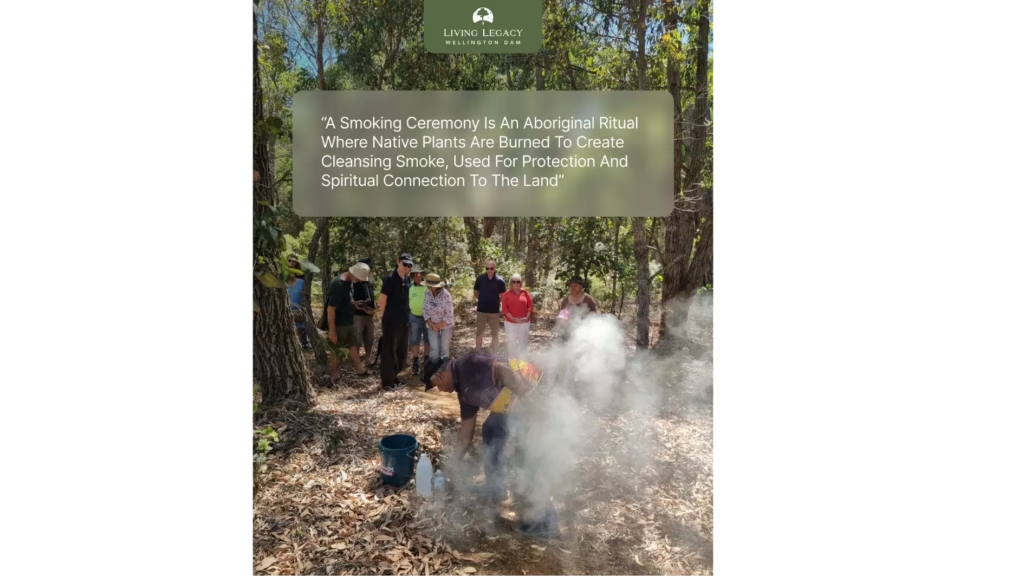
A smoking ceremony uses the smoke from smouldering native plants to cleanse people and place. It is led by an Aboriginal Elder or Knowledge Holder from the Country on which the ceremony is taking place, and what happens inside it varies significantly between language groups and regions. Some ceremonies run a few minutes. Others involve song, language, or protocols that belong only to the Elder conducting them.
For a memorial, the purpose is usually threefold: cleansing the site, honouring the person who has died, and connecting the gathering to the land where they will come to rest. The ceremony is quiet. Depending on how the Elder conducts it, those present may walk through the smoke, stand in it, or have it wafted over them.
Which plants are used?
The plants used reflect what grows on the Country where the ceremony takes place. Eucalyptus is common across many regions. In the South West of Western Australia, where Wellington Dam sits on Kaniyang and Wiilman Country, part of Noongar boodja, Australian sandalwood (Santalum spicatum) is often used. Noongar people know this tree by names including wolgol and wollgat. Paperbark, peppermint, and cauliflower bush also appear in ceremonies across different parts of the country.
The Western Australian variety of emu bush, widely used in other regions, contains different compounds and is not typically the plant of choice here. That selection sits with the Elder, not with the family.
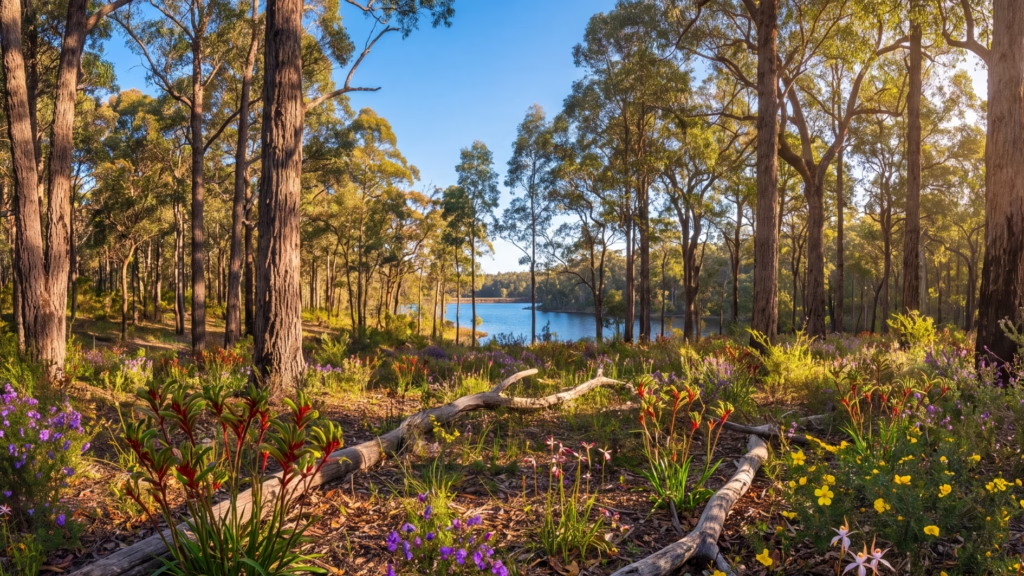
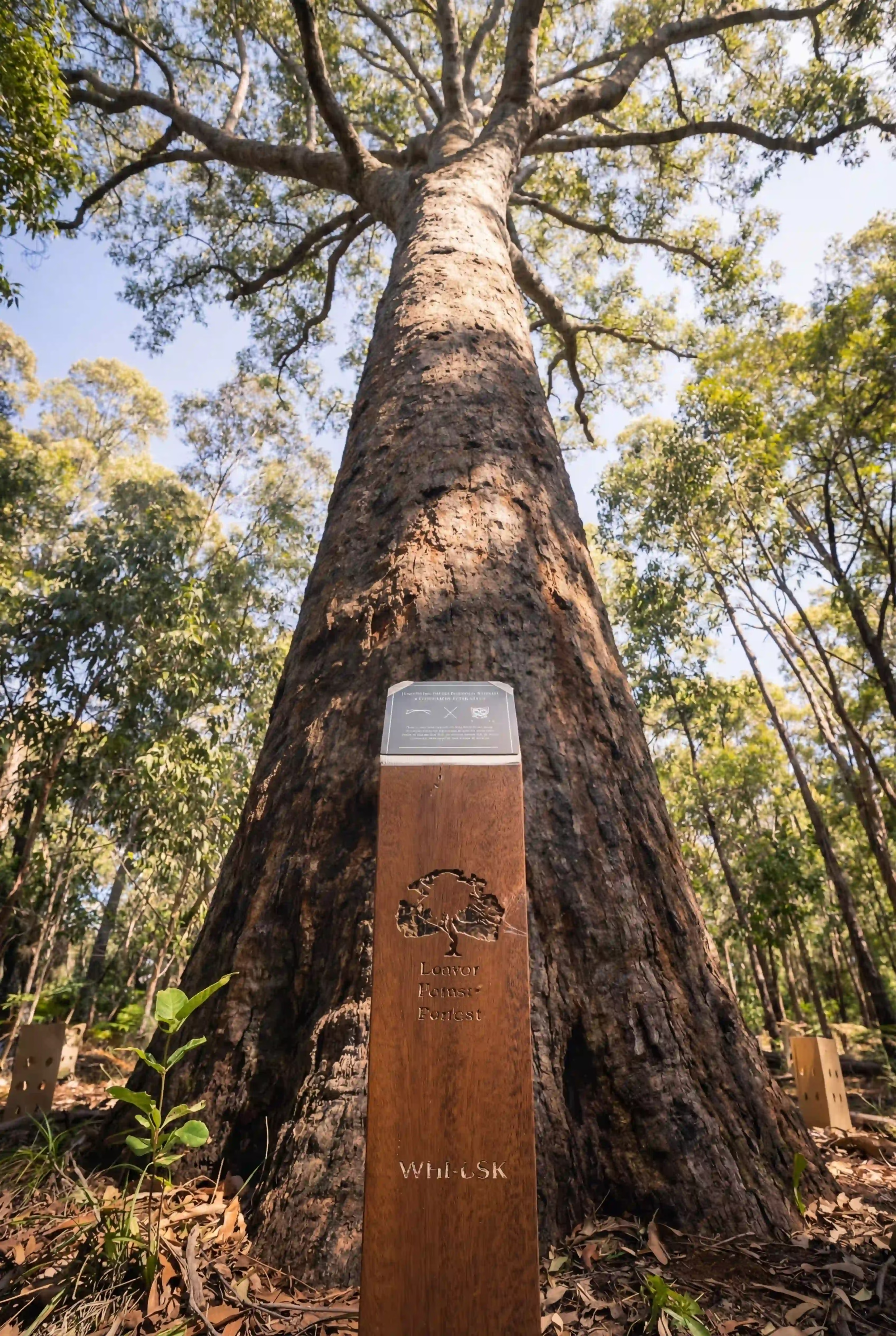
The Living Conservation Forest offers a curated selection of native tree species specifically suited to the local ecosystem around Wellington Dam. These include Jarrah (Eucalyptus marginata), Marri (Corymbia calophylla), Blackbutt/Yarri (Eucalyptus patens), and Bullich, all chosen for their resilience, longevity, and ecological value within the South West region of Western Australia.
Who can arrange a smoking ceremony?
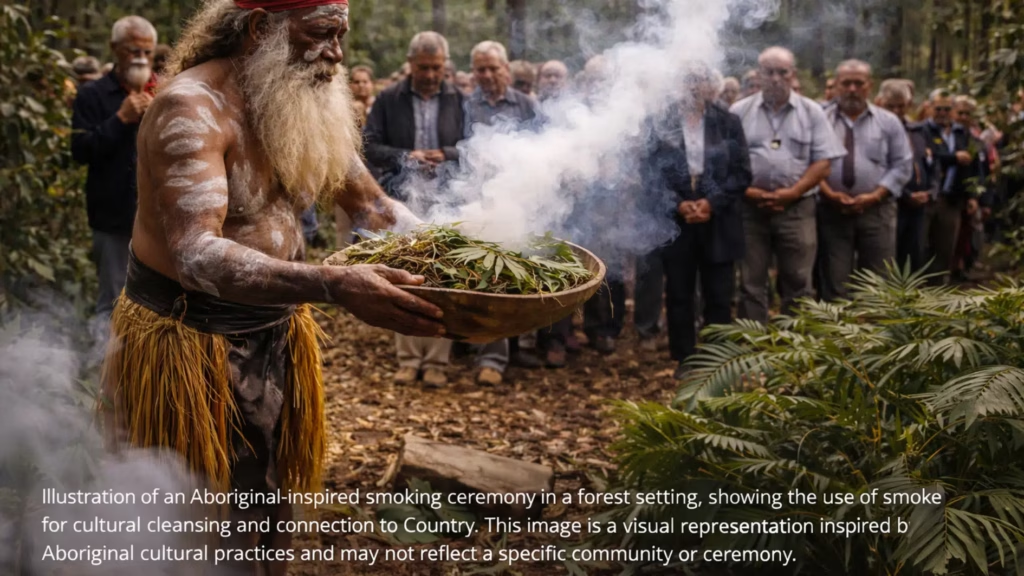
Smoking ceremonies can be held for families of any cultural background, but the ceremony must be led by an Elder or Knowledge Holder from the relevant Country. It is not something a non-Indigenous person can perform on another’s behalf, and no amount of goodwill substitutes for the right introduction.
The correct process is to approach the Traditional Custodians of the land where the ceremony will take place, explain the occasion, and ask whether a smoking ceremony is appropriate. If the Elder agrees, the arrangement is made on their terms, including fair compensation for their time and cultural knowledge. Cultural consultants who work alongside funeral services can help families make this connection without the missteps that often occur when a request arrives cold. For general background, AIATSIS and Reconciliation Australia are reliable starting points.
Read more: Types of Memorial Ceremony in Australia: A Family Guide
How it fits into a memorial tree planting at Wellington Dam?
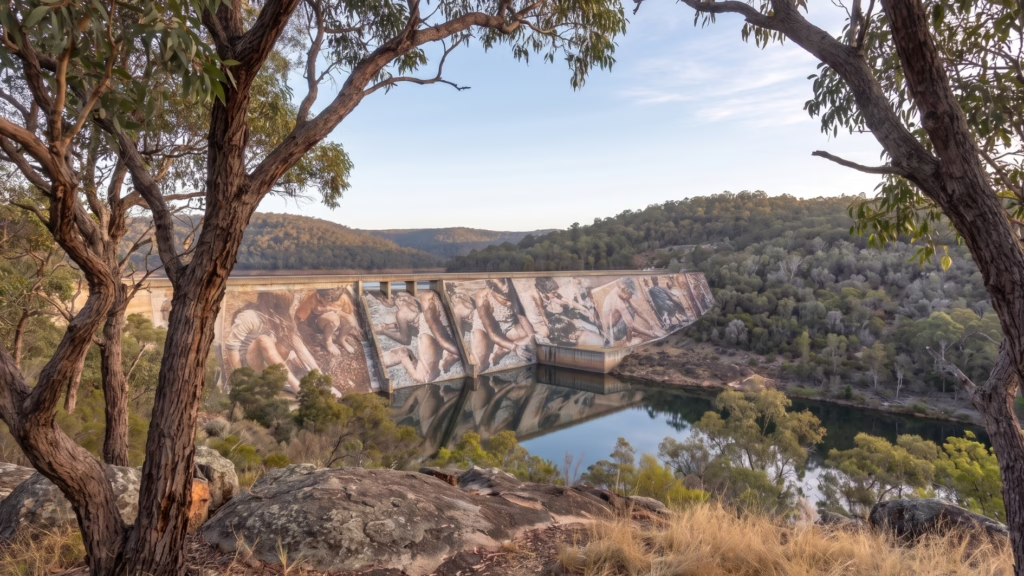
The Living Conservation Forest at Wellington Dam sits on Kaniyang and Wiilman Country within Wellington National Park, 30 minutes from Bunbury and two hours south of Perth. Most families who plant a memorial tree here do not include a smoking ceremony, but those who wish to can raise it with our team when they arrange their tree planting ceremony.
When a smoking ceremony is held, it opens the gathering. The Elder lights the plant material, and the smoke moves over the site and the people present. The tree planting then follows: a loved one’s treated cremated ashes are placed into the soil beneath the roots of a young Jarrah, Marri, or Blackbutt, and the tree goes in. The two ceremonies sit alongside each other. One does not overshadow the other.
Our team is available to talk through what a ceremony in the forest can look like, and to help you reach cultural consultants who can approach a local Elder on your behalf. Schedule a call or direct call 0427096944 for a conversation, including before any decision has been made.
Frequently asked questions
What plants are used in a smoking ceremony in Western Australia?
Australian sandalwood is commonly used on Noongar Country in the South West. Eucalyptus and paperbark are also used across different regions. The Western Australian chemotype of emu bush, used elsewhere in the country, is not typically chosen here. The final selection depends on the Elder leading the ceremony and the Country it takes place on.
Do I need permission to have a smoking ceremony?
It is not a matter of legal permission. The ceremony requires the agreement of an Elder or Knowledge Holder from the relevant Country. Ask through a cultural consultant or appropriate organisation, explain the occasion clearly, and follow the Elder’s guidance on how the ceremony is conducted.
Can a smoking ceremony take place outdoors in a national park?
In most cases yes, with the agreement of both the park authority and the Elder leading the ceremony. At Wellington Dam, we help families work through this when they arrange their tree planting.
Is a smoking ceremony the same as a Welcome to Country?
No. A Welcome to Country is an acknowledgement given by a Traditional Custodian to welcome visitors to their Country. A smoking ceremony is a separate ritual with its own purpose and process. Both can occur at the same event.
How long does a smoking ceremony take?
Most memorial smoking ceremonies run between ten and thirty minutes, depending on the Elder and the occasion.
Does the Living Conservation Forest at Wellington Dam run the smoking ceremony itself?
No. We arrange the tree planting and can help connect your family with cultural consultants who work with local Kaniyang and Wiilman Elders. The Elder leads the smoking ceremony itself, as cultural protocol requires.