
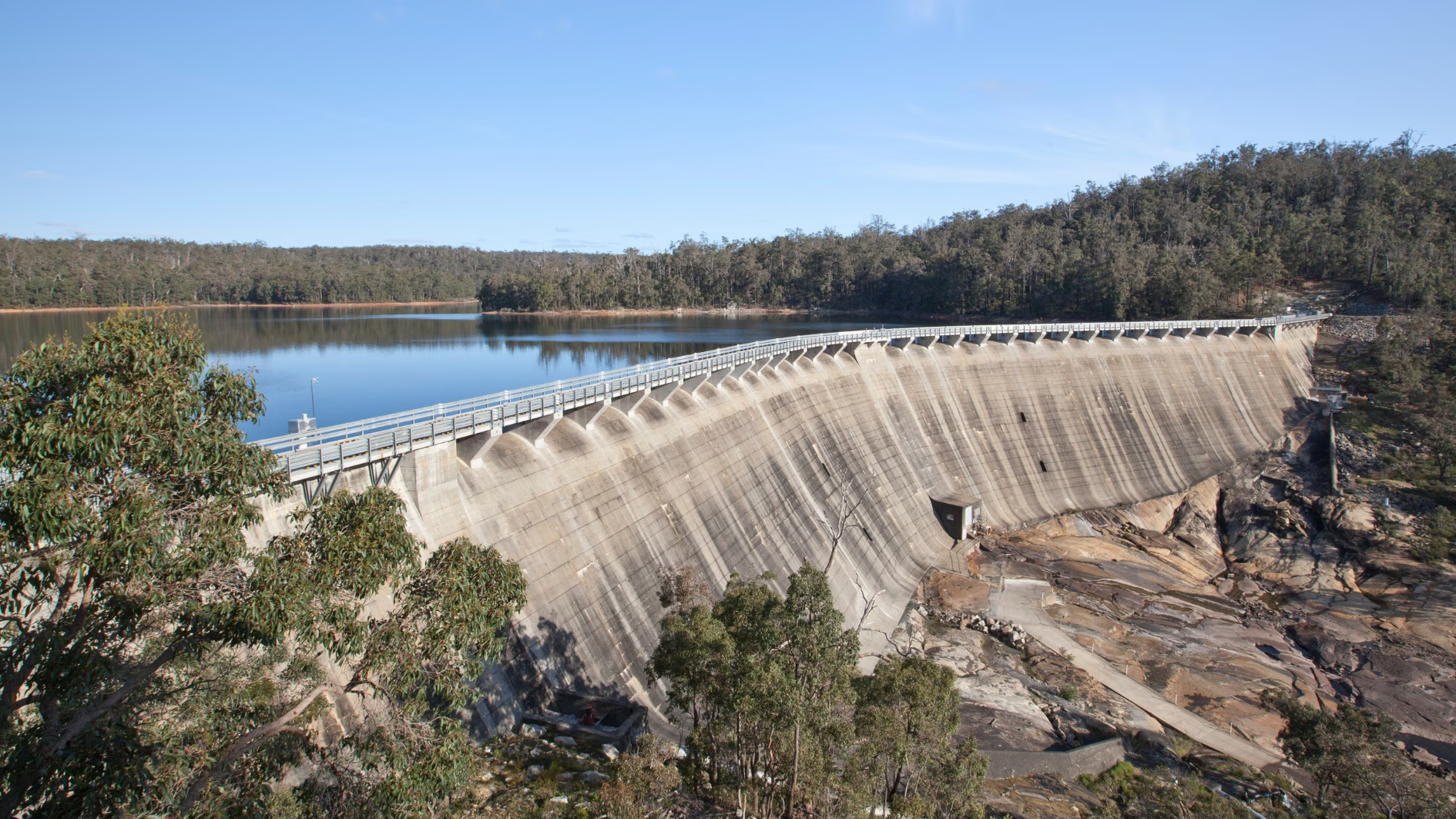
Wellington Dam is approximately 195 kilometres south of Perth in the Collie region of South West WA, roughly two to two and a half hours by car. The dam wall, the mural, the trails, and the water make it a useful destination for a full day out. This guide covers what you will find when you get there, how to plan your time, and other things worth seeing at Wellington Dam.
Entry to the site is free. The dam wall walkway and lower viewing areas are open daily from 9am to 5pm, according to the Water Corporation of WA. Parking is available at the kiosk, the main lookout, and the picnic areas.
How Do You Get to Wellington Dam?
Drive south from Perth via Albany Highway through Collie. The town of Collie is the main reference point for the area. Wellington Dam Road leads you from town out to the dam and the national park, about 15 kilometres from Collie. The drive from Perth takes two to two and a half hours depending on traffic. From Bunbury it is about 45 minutes.
Spring and autumn are the most comfortable times to visit. Summers in the Collie region are hot, with fire bans in place across Wellington National Park from November through April most years. Check the Department of Biodiversity, Conservation and Attractions (DBCA) website for current conditions before you go.
There is no public transport to Wellington Dam. A car is necessary.
Wellington Dam Day Trip: Things to Do & See
Wellington Dam Mural
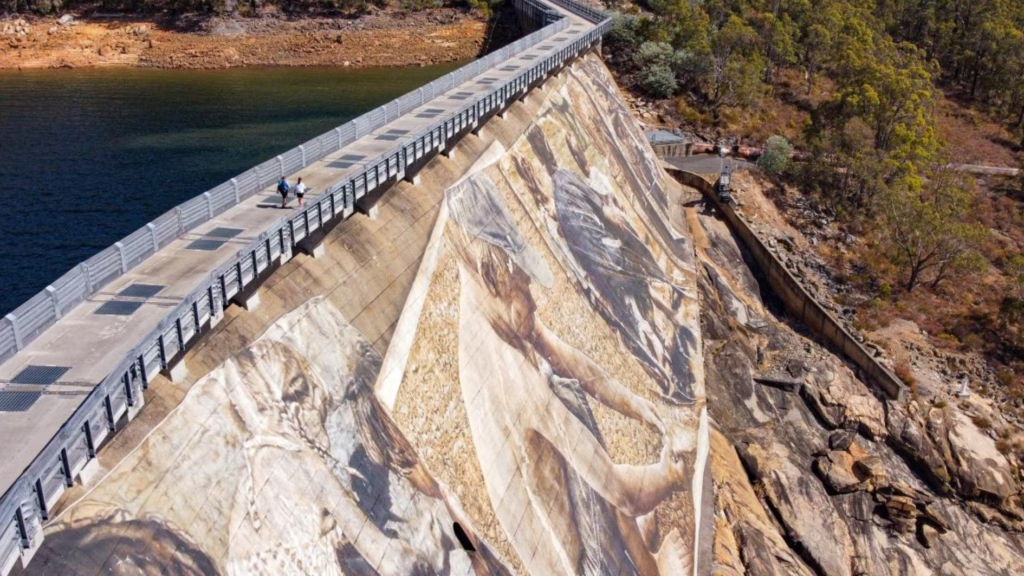
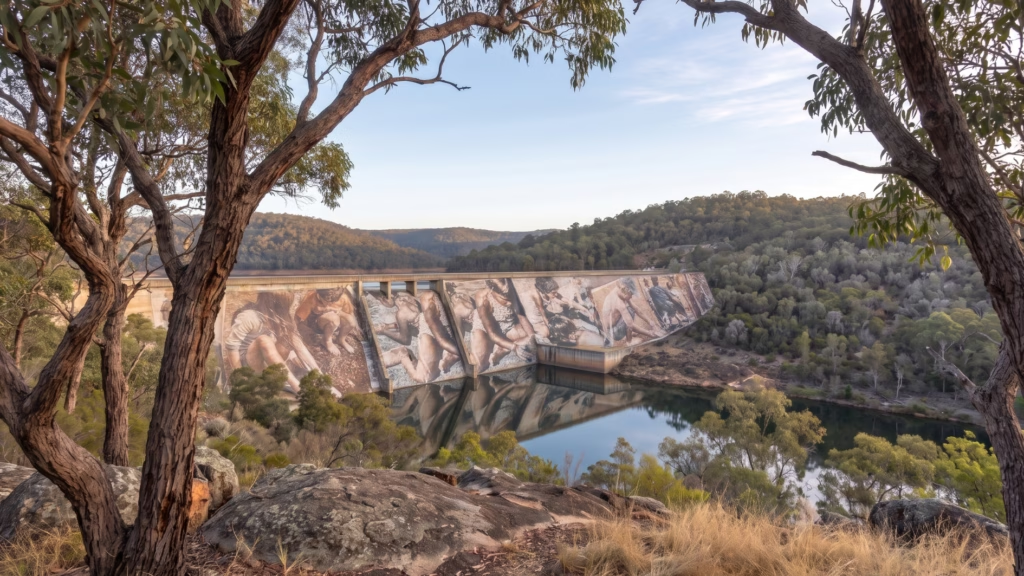
The mural on the dam wall was painted by Australian artist Guido van Helten and completed in February 2021 as the centrepiece of the $1.5 million Collie Mural Trail. At roughly 8,000 square metres it is considered one of the largest dam murals in the world.
The imagery draws on the history of the Collie region. Local residents, coal miners, and a Noongar elder are among those depicted. Van Helten worked from historical photographs and conducted interviews with Collie community members during the project, with painting beginning in November 2020.
The designated viewing platforms along Wellington Dam Road give the best full view. Note that the original lower bridge at the base of the mural wall has been closed since 2021 and is currently being replaced by Water Corporation. Walking across the top of the dam, open daily 9am to 5pm, offers a close-up perspective from above.
Thinking about a visit to the Wellington Dam area? Living Conservation Forest at Wellington Dam offers free guided forest tours on selected dates. Call 0427 096 944 or visit livinglegacywellingtondam.org.au to check availability.
Hiking Trails in Wellington National Park
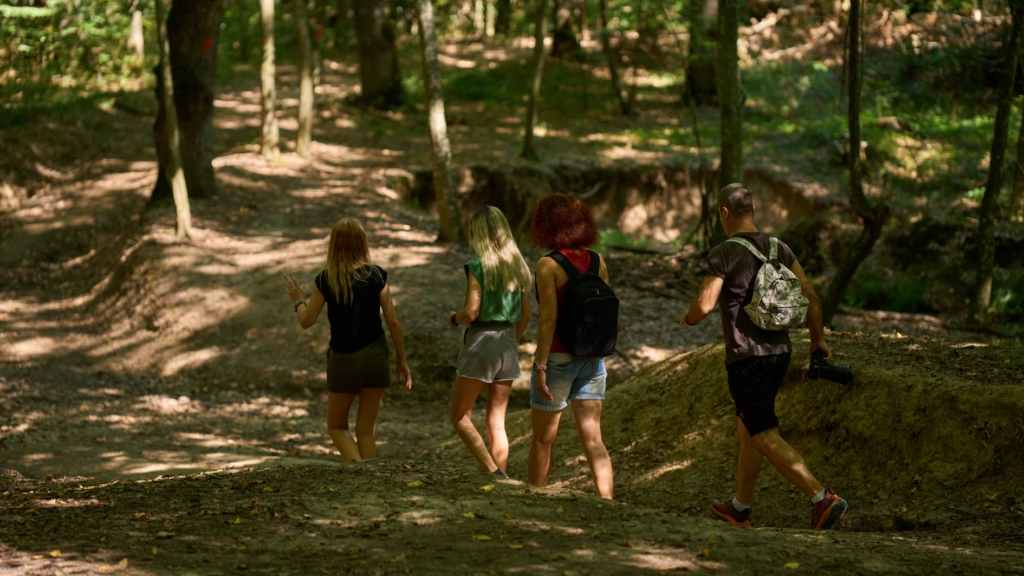
Photo source: DBCA
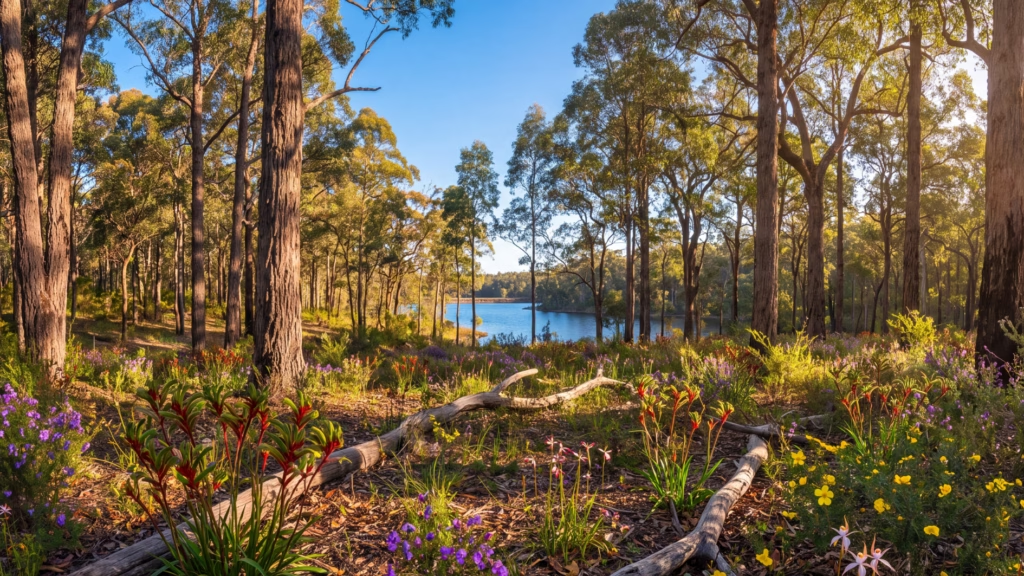
Wellington National Park has a range of walking and cycling tracks in the area around the dam. The trails vary in difficulty and length.
The Sika Trail is a 9.8 kilometre circuit through jarrah forest and along the Collie River gorge. It takes most walkers around three to four hours. The Wiilman Bilya Walk is shorter at around 4 kilometres and follows the riverbank through native vegetation. Both are maintained by DBCA.
Mountain biking tracks run through sections of the national park as well. These are marked trails rather than shared walking paths, so it is worth checking the DBCA trails map before visiting to confirm current access and conditions.
Dogs are not permitted in the Wellington Dam catchment area, according to the Water Corporation. Check the DBCA website for current pet access rules across broader Wellington National Park before visiting with a dog.
The Quarry picnic
The dam wall is the obvious starting point. Walk across it, look down at the reservoir on one side and the spillway on the other. The mural stretches across the downstream face.
The Quarry picnic area has heritage shelters, a shaded amphitheatre, BBQ facilities, and a view over the water. It is the main picnic spot for families visiting Wellington Dam and is generally quieter than similar spots closer to Perth.
Potters Gorge
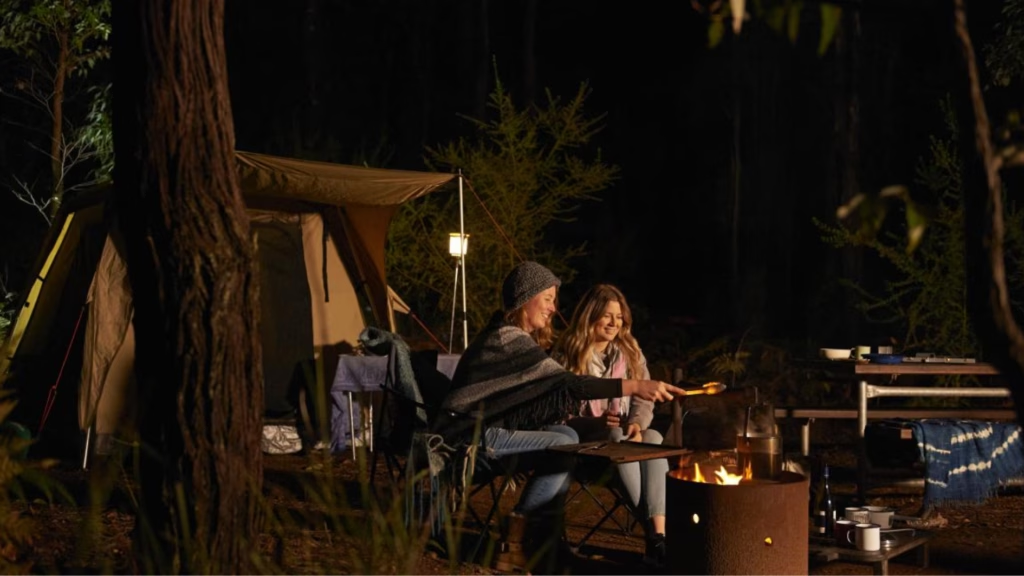
Photo source: DBCA
Water activities are available at Potters Gorge, a short drive from the dam wall. Swimming, kayaking, and fishing are all permitted. A fishing licence is required under WA regulations for recreational fishing; these are available through the Department of Primary Industries and Regional Development (DPIRD).
The kiosk near the dam serves coffee and basic food. It is the only food and drink available at the site, so bring water and snacks if you plan a longer walk. Cash is accepted; card facilities are available but not always reliable in the area.
What Else Is Near Wellington Dam?
The Collie region has several other spots worth adding to the day if you have time.
| Site | Distance | Highlights | Time Needed |
| Black Diamond Lake | 20 min from dam | Swimming, walking tracks, lakeside murals | 1 hr |
| Minninup Pool | 15 min | Canoeing, picnic areas along the Collie River | 2 hrs |
| Stockton Lake | 25 min | Fishing, bush walking, birdwatching | 1.5 hrs |
| Collie town centre | 10 min from dam | Coffee, local shops, coal mining museum | 1 hr |
Collie town itself is about 10 minutes from the dam. There are cafes, a small supermarket, and the Coal Mines Historical Society Museum if the local history caught your interest at the mural. Most accommodation in the area is in or near Collie town rather than at the dam.
Where Can You Stay Near Wellington Dam Collie?
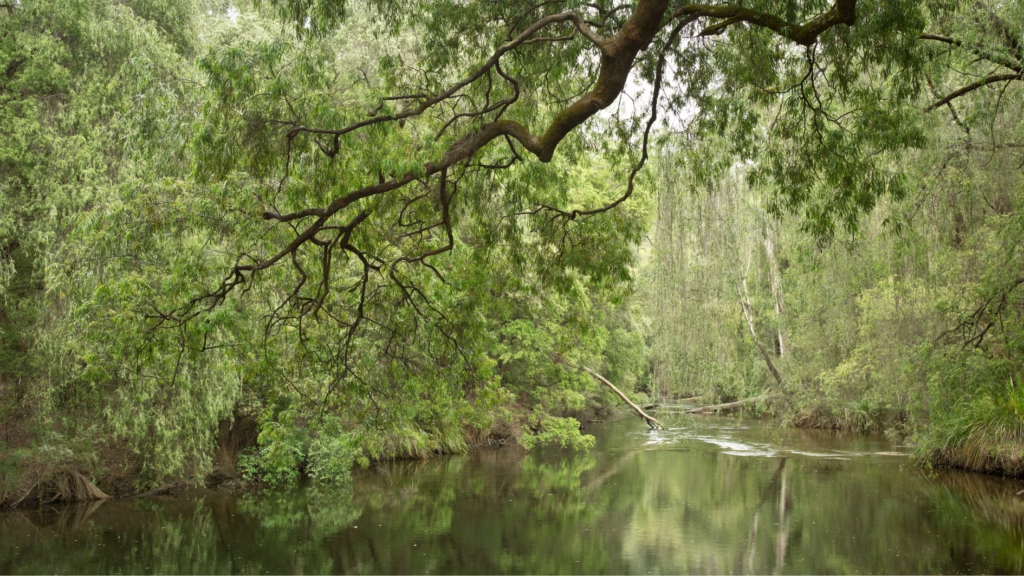
Camping is available at Potters Gorge and Honeymoon Pool within Wellington National Park. Both sites have basic facilities. Bookings are made through the DBCA park pass system online.
Collie town has motel and bed and breakfast accommodation for those preferring a roof. Several properties cater to visitors and mine workers, so availability varies. Booking ahead during school holidays is sensible.
Bunbury, about 45 minutes from the dam, has a wider range of accommodation if you prefer a larger town as a base.
A Different Reason to Visit Wellington Dam: The Living Conservation Forest
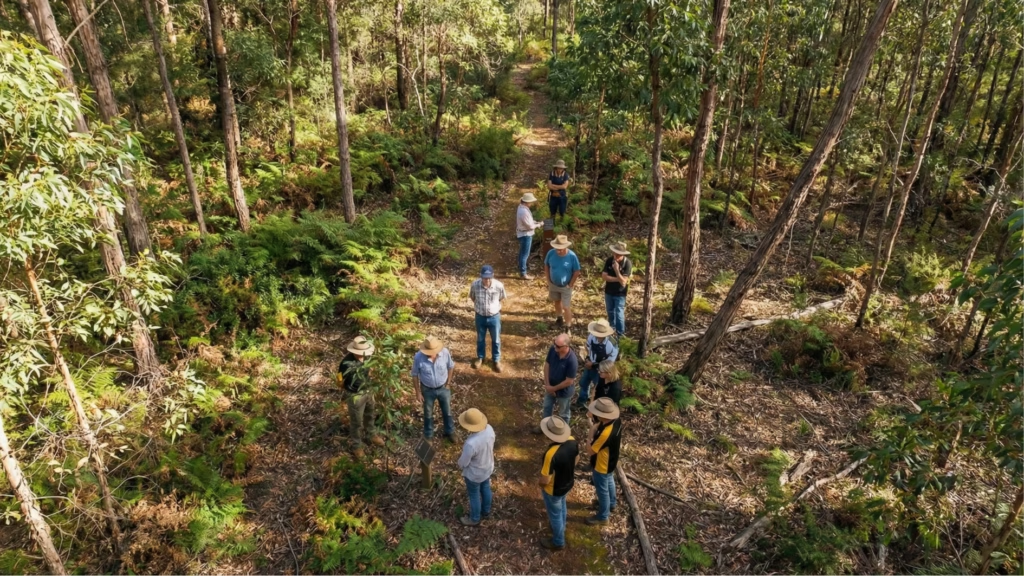
While many visit Wellington Dam for its mural and trails, others come for something more. Along Wellington Dam Road, within the national park, lies the Wellington Dam Living Conservation Forest, a protected memorial forest managed by Legacy Conservation Forest, a registered public charity.
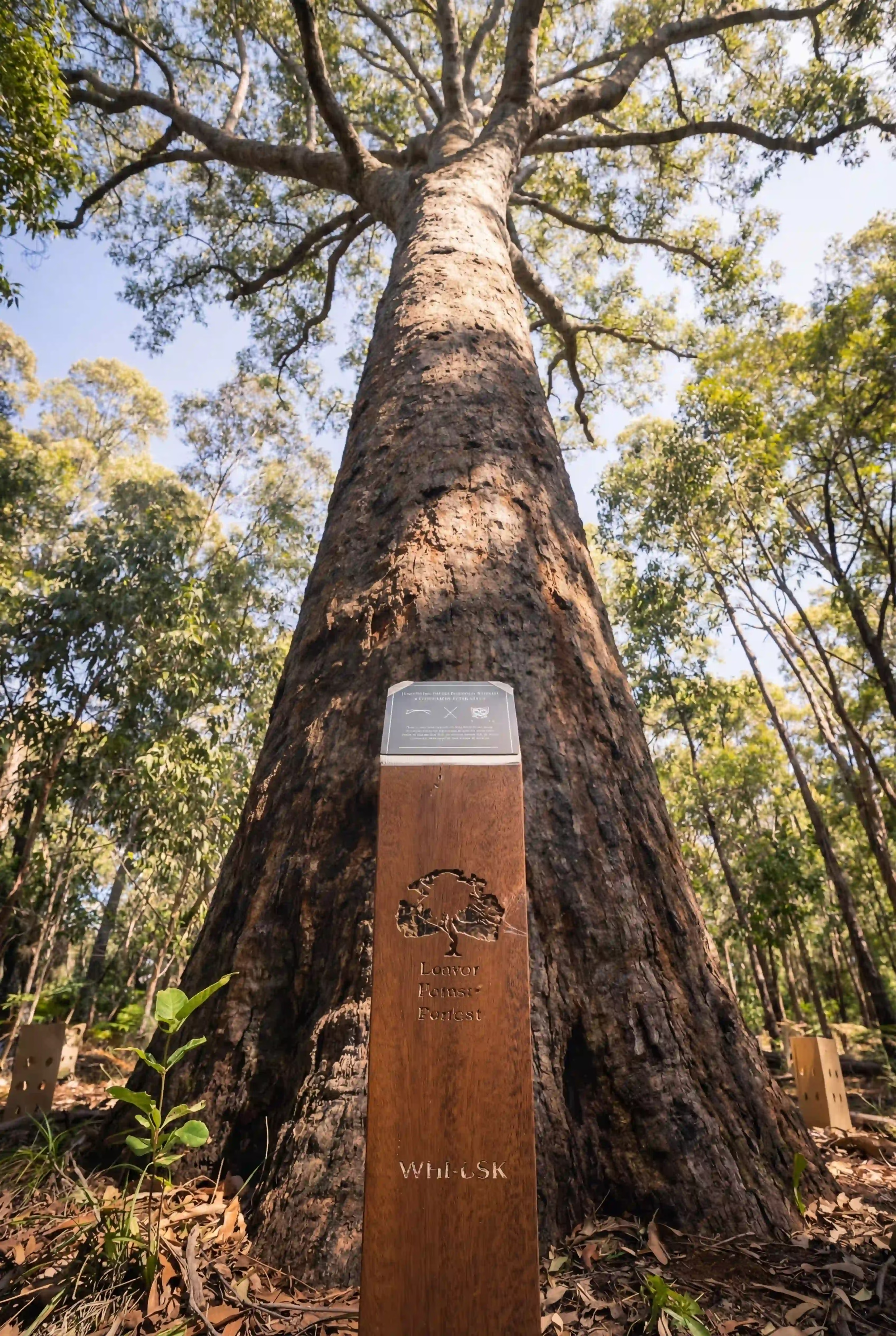
The forest holds memorial trees for more than 500 families. Each tree was planted as a living memorial for someone who has died, with their treated cremated ashes incorporated into the soil around the roots. The tree grows from that point, becoming part of the forest over years and decades. Native species used include Blackbutt, Marri, and flowering eucalypts, trees that grow over 40 metres tall and live for hundreds of years.
The forest is protected by a state government conservation covenant policed by DBCA. The trees cannot be logged or developed. If a tree dies, it is replaced. Families pay no ongoing maintenance fees.
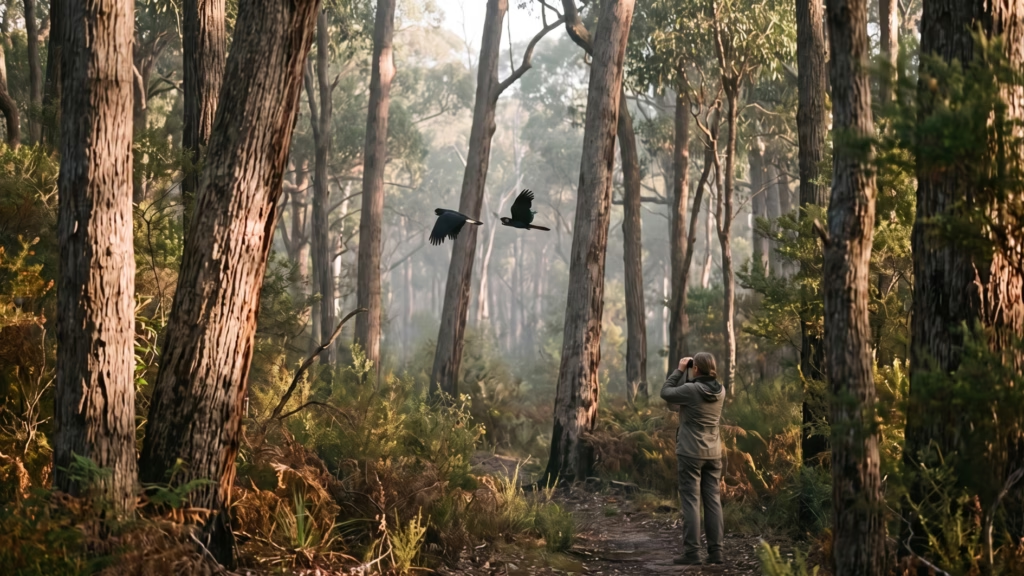
Mick T, who visited on a guided tour, described listening to Carnaby’s black cockatoos in the forest and looking at native shrubs and wildflowers in bloom, finishing the afternoon with coffee at a cafe 10 minutes away and a look at the Wellington Dam mural.
For families who have a tree here, or are considering one, visits are possible any day of the week. The forest is on the same road as the camping grounds and dam lookout, making it easy to combine with the other things worth seeing at Wellington Dam.
“My husband and I have a tree here. Visited recently and the sunlight filtering through was beautiful. There’s a kiosk nearby and bush camps if you want to make a weekend of it.” — Melody Jones
Memorial trees start from $4,950. Packages include the ash treatment process, tree planting, a personalised plaque, and ongoing care with no ongoing fees. A Legacy Tree is for one person; a Love Tree holds two sets of ashes. Pet ashes can be placed alongside a person’s tree or as a standalone memorial.
Read more: Experience the Living Legacy Forest Open Day Tour
A Practical Day Trip Itinerary
This is a rough guide based on the main areas of the site. Adjust depending on how much walking you want to do.
Morning
- Arrive at 9am when the dam wall walkway opens
- Coffee at the kiosk
- Walk the dam wall and spend time at the mural lookout
- 30 to 45 minutes here is enough for most visitors
Midday
- Picnic at the Quarry, or eat at the kiosk
- Short walk on the Wiilman Bilya riverbank trail
- If visiting the Open Days Living Conservation Forest, Wellington Dam Road continues a short distance to the forest entrance
Afternoon
- Swimming or kayaking at Potters Gorge
- Longer hike on the Sika Trail if energy allows
- Depart by 4pm to arrive back in Perth before evening
Pack sun protection, insect repellent, a hat, and more water than you think you need. Shade is limited near the dam wall.
Frequently Asked Questions About Wellington Dam WA
Is Wellington Dam free to visit?
Yes. Entry to the Wellington Dam site is free. There is no admission charge for the dam wall, the lookout areas, or the picnic grounds. National park camping fees apply at Potters Gorge and Honeymoon Pool.
Can you swim at Wellington Dam?
Swimming is available at Potters Gorge, a short drive from the main dam wall area. The reservoir itself is not a swimming area. Water activities at Potters Gorge are possible year round, though winter water temperatures are cold.
What is the Wellington Dam mural about?
The mural was painted by artist Guido van Helten and depicts people and stories from the Collie region’s history, including coal miners, local residents, and a Noongar elder. It was commissioned as a public art project and completed in 2019.
How far is Wellington Dam from Perth?
Wellington Dam is approximately 195 kilometres from Perth via Albany Highway, which takes around two to two and a half hours by car. It is about 45 minutes from Bunbury.
How far is Wellington Dam from Collie?
Wellington Dam is about 15 kilometres from the Collie town centre, or roughly 10 to 15 minutes by car along Wellington Dam Road.
Are dogs allowed at Wellington Dam?
Dogs are not permitted in the Wellington Dam catchment area, according to the Water Corporation. Rules for the broader Wellington National Park may differ. Check the DBCA website before visiting with a dog. The Living Conservation Forest at Wellington Dam accepts dog visits on lead.
What is the Living Conservation Forest at Wellington Dam?
Living Conservation Forest at Wellington Dam is a protected memorial forest within Wellington National Park, managed by Legacy Conservation Forest, a registered public charity. Families choose a native tree as a living memorial for someone who has passed. Cremated ashes are treated and incorporated into the soil when the tree is planted. The forest is protected by a state government conservation covenant and has over 500 forest families. For enquiries call 0427 096 944 or visit livinglegacywellingtondam.org.au.
Can I camp near Wellington Dam?
Yes. Camping is available at Potters Gorge and Honeymoon Pool within Wellington National Park. Basic facilities are provided. Bookings are made through the DBCA online park pass system.
Planning a Visit?
Wellington Dam is worth a full day, particularly if you combine the mural and the trails with time at Potters Gorge. The area is quiet compared to the more popular southwest destinations, and the national park setting means the crowds are smaller even in peak season.
If you are also interested in visiting the Living Conservation Forest, free guided tours are available on selected dates. The team is available for conversations at any stage, including before any decision has been made.
Call 0427 096 944 or book a guided forest tour at livinglegacywellingtondam.org.au